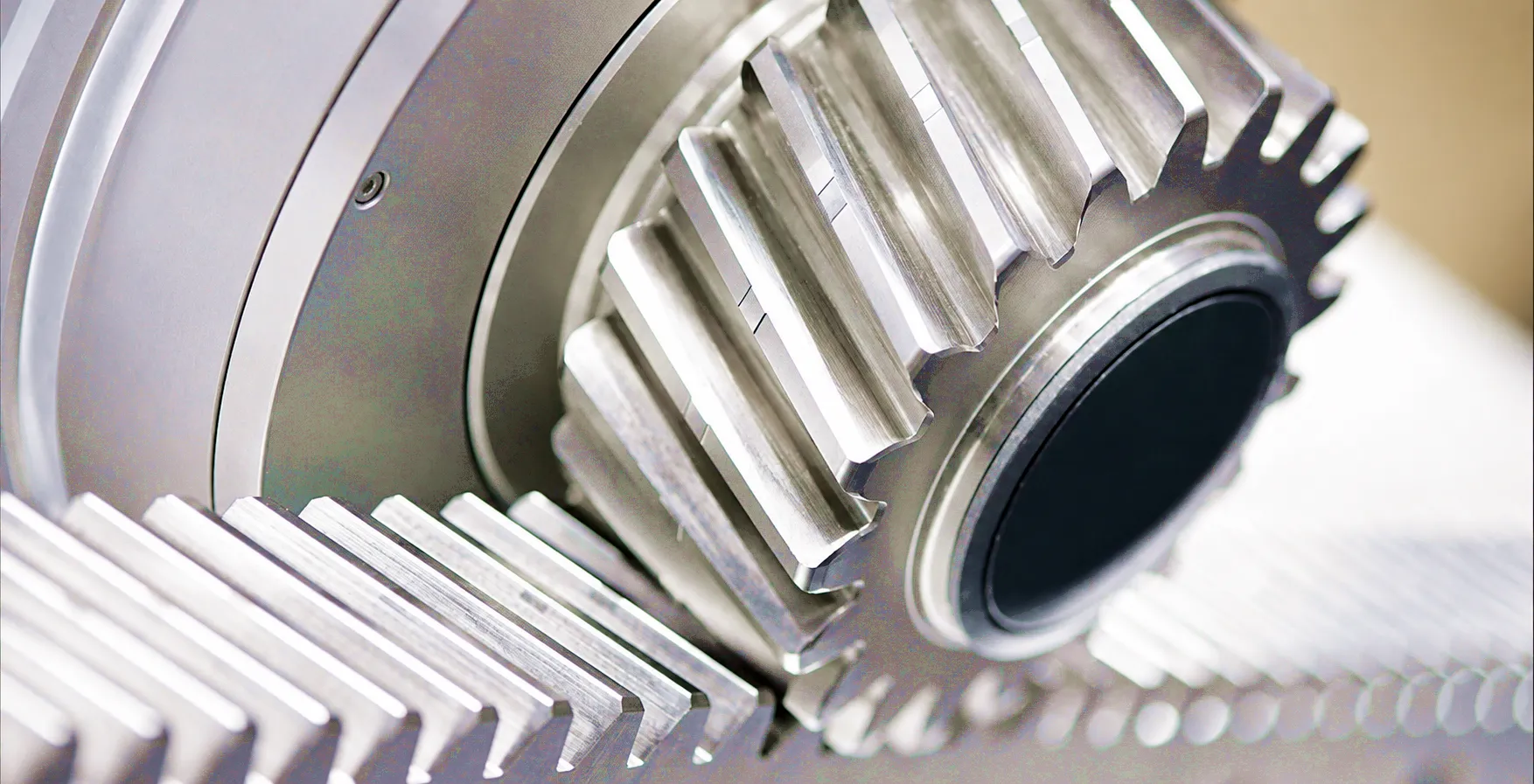
 When engineers and procurement specialists talk about gear rack quality, the conversation almost always returns to one foundational specification: tooth accuracy grade. This single classification encodes the geometric precision of every tooth profile, pitch interval, lead deviation, and total cumulative error across the full rack length. In UK manufacturing environments — from the precision engineering clusters around Sheffield and Birmingham to the automated logistics facilities operating along the M42 corridor — choosing the correct accuracy grade is not a minor detail. It is the decision that governs positioning repeatability, noise levels, load capacity, and ultimately the operational lifespan of the entire linear motion system. A rack specified at the wrong grade either over-engineers the solution at unnecessary cost, or under-delivers on the precision that the application genuinely requires, leading to premature wear, vibration-induced downtime, and expensive unplanned maintenance cycles. Understanding this grading system in depth is therefore a prerequisite for any serious mechanical transmission procurement decision.
What Tooth Accuracy Grade Actually Means in Gear Rack Engineering
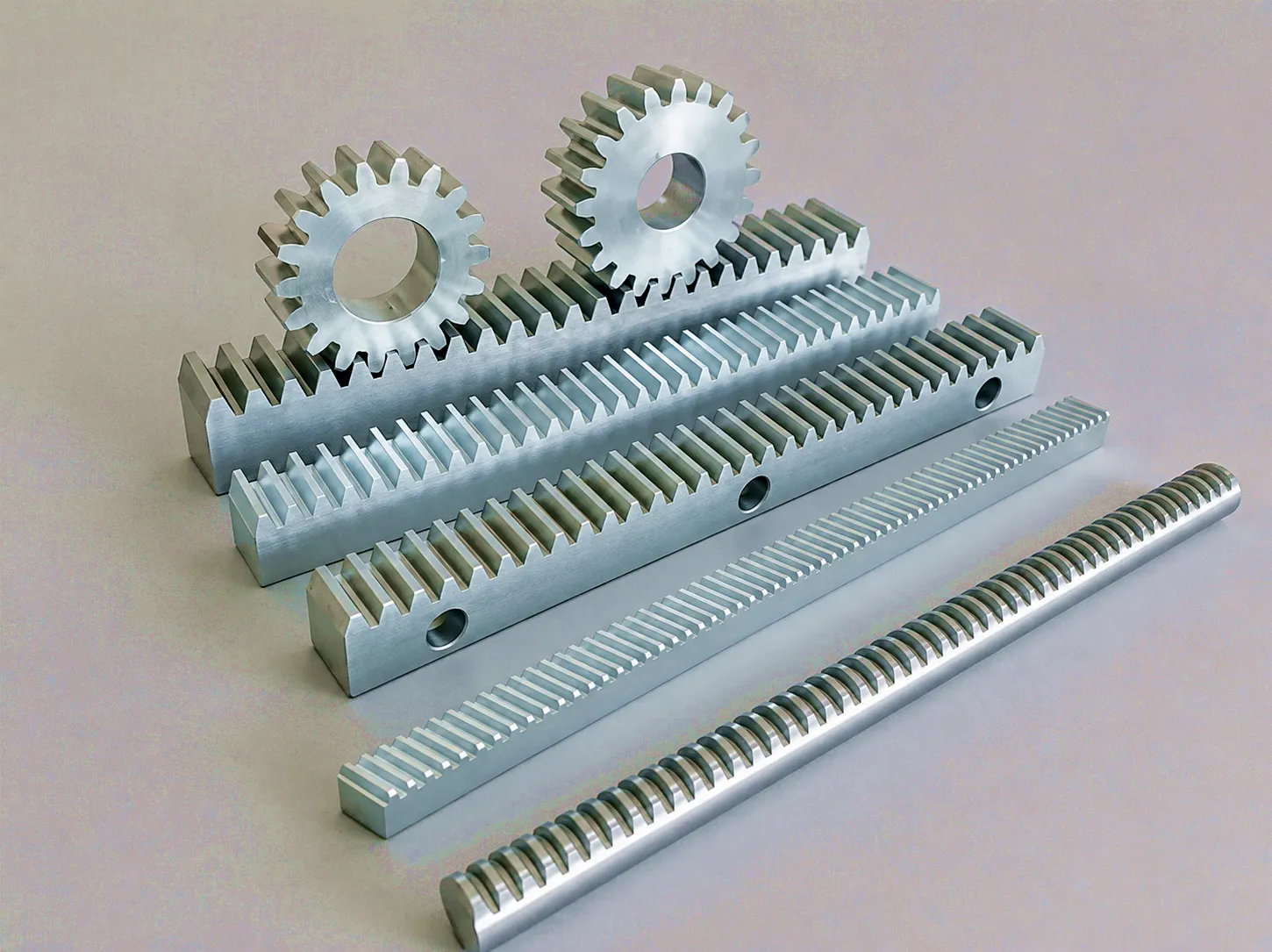 Gear rack tooth accuracy is graded according to international standards — primarily DIN 3962 and ISO 1328 — which define permissible tolerances across a hierarchy of parameters. These parameters include individual pitch deviation (fp), cumulative pitch deviation (Fp), tooth profile error (ff), and lead deviation (Fβ). Each of these tolerances shrinks as the grade number decreases: a Grade 3 or 4 rack exhibits tolerances measured in single-digit micrometres, whereas a Grade 8 or 9 rack permits deviations an order of magnitude larger. The grade classification therefore tells a buyer precisely how much geometric imperfection is present in the tooth geometry, and by extension, how that imperfection will manifest as positioning error, vibration, noise, and load distribution under dynamic operating conditions. For UK engineering teams working to BS/ISO quality frameworks, specifying a DIN or ISO grade provides a universally understood shorthand that travels through design, procurement, manufacturing, and quality assurance without ambiguity.
Accuracy Grade Classification at a Glance
Ultra-precision
Ground teeth, pitch deviation <4 µm. Used in semiconductor handling, medical robotics, coordinate measuring machines, and high-speed CNC machining centres. Demands meticulous mounting conditions.
High precision
Ground or shaved teeth, pitch deviation <10 µm. Dominant specification for heavy-duty CNC gantries, precision linear actuators, and automated warehouse systems across UK industrial parks.
General precision
Milled or hobbed teeth, pitch deviation <25 µm. Suitable for agricultural machinery transfer lines, conveyor indexing, and general factory automation where positional tolerance is ±0.05 mm or wider.
Working Principle: How a Gear Rack Converts Rotation to Precise Linear Motion
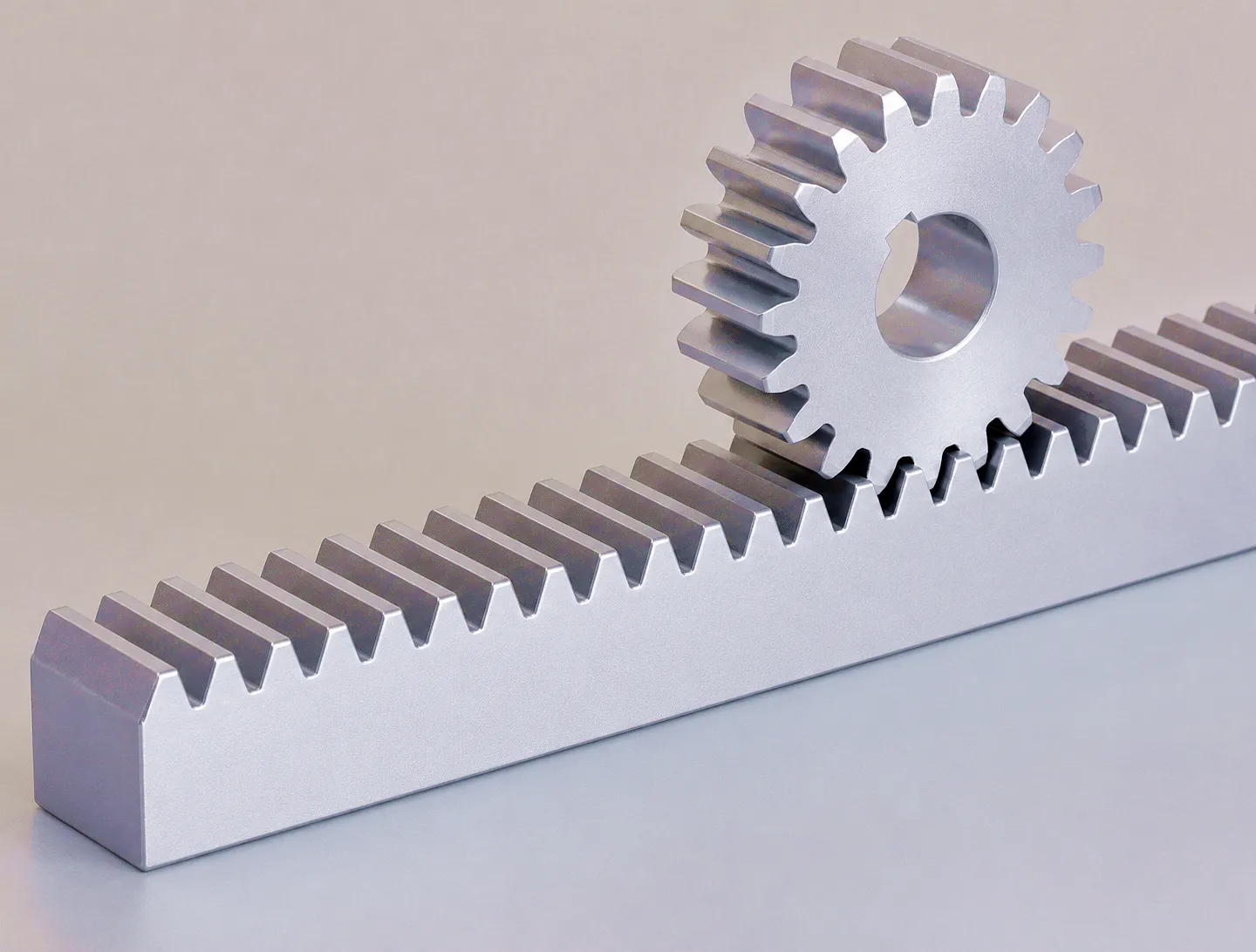
“A gear rack is the linear conjugate of a spur or helical gear. When a pinion rotates against a rack, each tooth engagement converts angular displacement directly into linear displacement — the fundamental relationship being: linear travel = (number of teeth engaged) × (circular pitch). Tooth accuracy grade governs the precision of this relationship.”
In a rack-and-pinion system, the pinion — a round gear — meshes with the flat or curved rack, rolling along its tooth profile. The quality of this meshing interaction depends almost entirely on how accurately each tooth has been cut or ground. When tooth pitch deviations are small (high accuracy grade), every successive tooth engagement introduces the same angular increment and therefore the same linear increment. When deviations are large (lower accuracy grade), successive engagements introduce variable increments, which appear at the output as periodic positioning error — commonly called kinematic error or transmission error. This error signature repeats at the tooth meshing frequency and, in applications with tight positional requirements, results in perceptible vibration, resonance, and accelerated surface fatigue on tooth flanks.
For helical gear racks — where teeth are cut at an angle relative to the rack axis — the working principle gains an additional degree of refinement. The helical angle ensures that multiple teeth are partially engaged at any instant, distributing load across a broader contact area, smoothing the transmission of force, and reducing peak contact stresses. This is why precision ground helical racks consistently outperform straight-cut equivalents in dynamic, high-speed applications where vibration and noise are critical design constraints.
Core Materials That Define Gear Rack Accuracy and Service Life
The workhorse of standard and general-precision gear rack production. C45 (equivalent to UK designation EN8) offers a good balance of machinability, surface hardenability, and cost. After hobbing or milling, teeth can be induction hardened to 48–55 HRC at the contact surface while the core remains tough and ductile, resisting shock loads. Widely used across UK agricultural machinery, conveyor systems, and mid-range CNC automation where Grade 6–8 accuracy is specified.
A chromium-molybdenum alloy offering significantly higher tensile strength and hardenability than plain carbon steel. After carburising or nitriding, 42CrMo4 achieves surface hardness of 56–62 HRC with a core hardness of 30–38 HRC. This material combination is the preferred choice for high-force, high-cycle applications — gantry robots, heavy press automation, and stamping line transfer systems operating in Sheffield’s advanced manufacturing sector — where Grade 4–6 ground racks must maintain accuracy over millions of meshing cycles.
Austenitic stainless grades are specified where corrosion resistance takes priority over maximum hardness. 316L in particular — with its molybdenum addition — resists chloride attack in food processing, pharmaceutical manufacturing, and marine or coastal industrial environments. Gear racks machined from 316L are routinely deployed in UK food production facilities and coastal power stations, where wash-down cycles, humidity, and aggressive cleaning agents would rapidly corrode carbon steel alternatives even with protective coatings.
Glass-filled nylon and acetal polymer racks serve low-load, low-speed applications where weight reduction, electrical isolation, and elimination of lubrication are essential. These materials inherently damp vibration and operate quietly — properties valued in medical device handling, laboratory automation, and light-duty stage equipment where steel racks would introduce unacceptable noise or electromagnetic interference. Accuracy is typically Grade 7–9 due to the inherent dimensional limitations of polymer extrusion and machining.
Gear Rack Technical and Performance Parameters
The following table summarises the key technical parameters buyers and engineers should confirm before specifying a gear rack for any UK industrial application. All figures reference commonly available Ever Power standard and custom production ranges.
| Parameter | Grade 3–4 (Ultra Precision) | Grade 5–6 (High Precision) | Grade 7–8 (General) |
|---|---|---|---|
| Individual Pitch Deviation (fp) | <4 µm | <10 µm | <25 µm |
| Cumulative Pitch Dev. (Fp) | <10 µm | <22 µm | <56 µm |
| Module Range (m) | 1–6 | 1–16 | 1–30 |
| Tooth Profile | Precision ground (involute) | Ground / shaved | Hobbed / milled |
| Surface Hardness | 58–62 HRC | 54–60 HRC | 48–56 HRC |
| Positioning Repeatability | ±0.005 mm | ±0.015 mm | ±0.05 mm |
| Max. Speed (m/s) | Up to 5 m/s | Up to 10 m/s | Up to 3 m/s |
| Typical Material | 42CrMo4, 20CrMnTi | 42CrMo4, C45 | C45, EN8 |
| Noise Level (at 1 m/s) | <52 dB(A) | <60 dB(A) | <72 dB(A) |
| Surface Treatment Options | Bare ground / DLC coat | Induction hardened, black oxide | Phosphate, zinc plated, painted |
| Backlash (standard) | Near-zero (with pinion pair) | 0.01–0.03 mm | 0.05–0.15 mm |
Core Technical Advantages of High Accuracy Grade Gear Racks
High accuracy grades reduce cumulative pitch deviation across the rack length, which directly limits position error at any point in the travel stroke. For a CNC routing gantry spanning 6 metres, the difference between Grade 5 and Grade 7 can mean the difference between achieving a ±0.01 mm workpiece tolerance and a ±0.05 mm one — a distinction that is critical in precision sheet metalwork and aerospace composites fabrication.
Transmission error is the root cause of gear noise. When individual pitch deviations are tightly controlled at Grade 4–6, the variation in tooth stiffness through each engagement cycle is minimised, and the resulting dynamic excitation force drops sharply. The acoustic benefit is measurable: properly specified precision racks can reduce operational noise by 10–18 dB(A) compared to hobbed alternatives — a significant factor in UK workplaces regulated under the Control of Noise at Work Regulations.
The surface finish achieved by profile grinding — the manufacturing process used for Grade 3–6 racks — produces Ra values below 0.4 µm on tooth flanks. This smooth surface significantly reduces the stress concentration at micro-asperities that initiate surface fatigue. Combined with optimised tooth root fillet geometry, precision ground racks typically demonstrate service life 3–5 times greater than hobbed equivalents under equivalent load cycles, translating directly into lower total cost of ownership for UK factories with high OEE targets.
Load capacity in rack-and-pinion systems depends not just on the rack’s module and face width, but also on how evenly load is distributed across the tooth contact. High accuracy grades ensure that mating tooth surfaces align precisely throughout each engagement, maximising the real contact ratio and reducing peak Hertzian contact stress. This enables designers to select a more compact rack section — saving both material cost and installation space — while still meeting the required load rating with a comfortable safety factor.
Industrial Application Scenarios: Where Gear Rack Accuracy Grade Matters Most
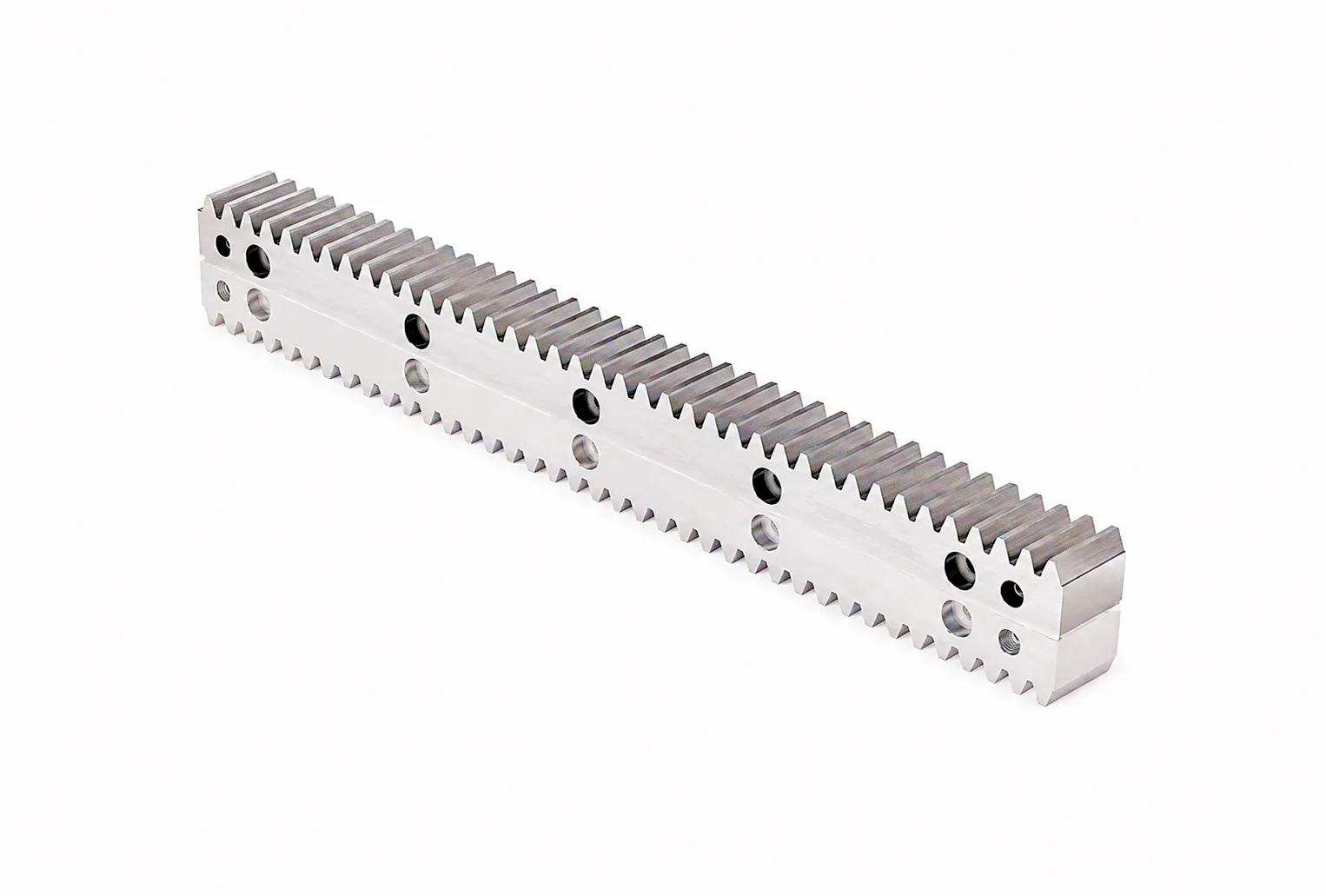
Sheffield’s long-established precision tooling and special-purpose machine tool industry demands gear rack solutions that hold positional error below ±0.010 mm across gantry travel distances of 3–12 metres. Grade 4–5 precision ground helical racks, mounted on hardened and ground guide systems, are the accepted standard for X and Y axis drives in five-axis machining centres. The helical tooth geometry distributes cutting reaction forces smoothly, preventing the resonance that would degrade surface finish on titanium or hardened steel workpieces. Ever Power’s induction hardened helical racks with surface treatment are particularly well-suited to these demanding environments, offering the tooth hardness needed to resist adhesive wear while maintaining the tight dimensional envelope required for gantry axis integration.
The rapid expansion of UK automated distribution infrastructure — driven by e-commerce and just-in-time logistics requirements — has produced strong demand for large-module gear rack systems capable of propelling stacker cranes and automated storage and retrieval systems at speeds of 3–10 m/s across aisle lengths exceeding 100 metres. Grade 5–6 helical racks in module 5–10, manufactured from 42CrMo4 with induction-hardened flanks, balance the positional repeatability needed for accurate bin addressing with the load capacity and durability demanded by 24/7 high-cycle operation. Drive systems typically feature spring-loaded tandem pinion arrangements to eliminate backlash and prevent tooth impact under direction reversal, a design approach that is only viable when the rack’s own accuracy grade is consistent enough to guarantee smooth tandem engagement.
Assembly lines producing combine harvester drives, ploughing equipment, and large-scale baler mechanisms across Lincolnshire and Yorkshire use gear rack systems for transfer carriage indexing, parts presentation at assembly stations, and conveyor drive. These applications tolerate Grade 7–8 rack specifications — the positioning requirement is typically ±0.5 mm or wider — but place heavy demands on load capacity and contamination resistance. Large module racks (module 8–12) in C45 steel with zinc phosphate anti-rust treatment handle the heavy structural loads while resisting the dust, soil particles, and hydraulic fluid contamination present in agricultural equipment assembly environments. Periodically replacing Grade 8 racks as planned maintenance items — rather than running them to failure — is a standard operational practice at the larger East Midlands agricultural machinery OEMs.
Plasma cutting tables and fibre laser cutting machines use rack-and-pinion drives almost universally for their bridge and cutting head axes. The harsh thermal and particulate environment — steel spatter, fine swarf, and oxidation gases — places particular demands on surface treatment and lubrication systems. Grade 5–6 racks with black oxide or nitride surface treatment resist corrosion from cutting gas condensation while maintaining the accuracy required to achieve smooth, burr-free cut profiles. An interesting specification challenge in this sector is the trade-off between rack accuracy and lubrication interval: higher accuracy grades have tighter contact ratios that require more consistent lubrication film maintenance, making automatic centralised lubrication systems a worthwhile investment for UK fabricators running two- or three-shift production schedules.
Zero Backlash Systems: The Premium Tier of Gear Rack Accuracy
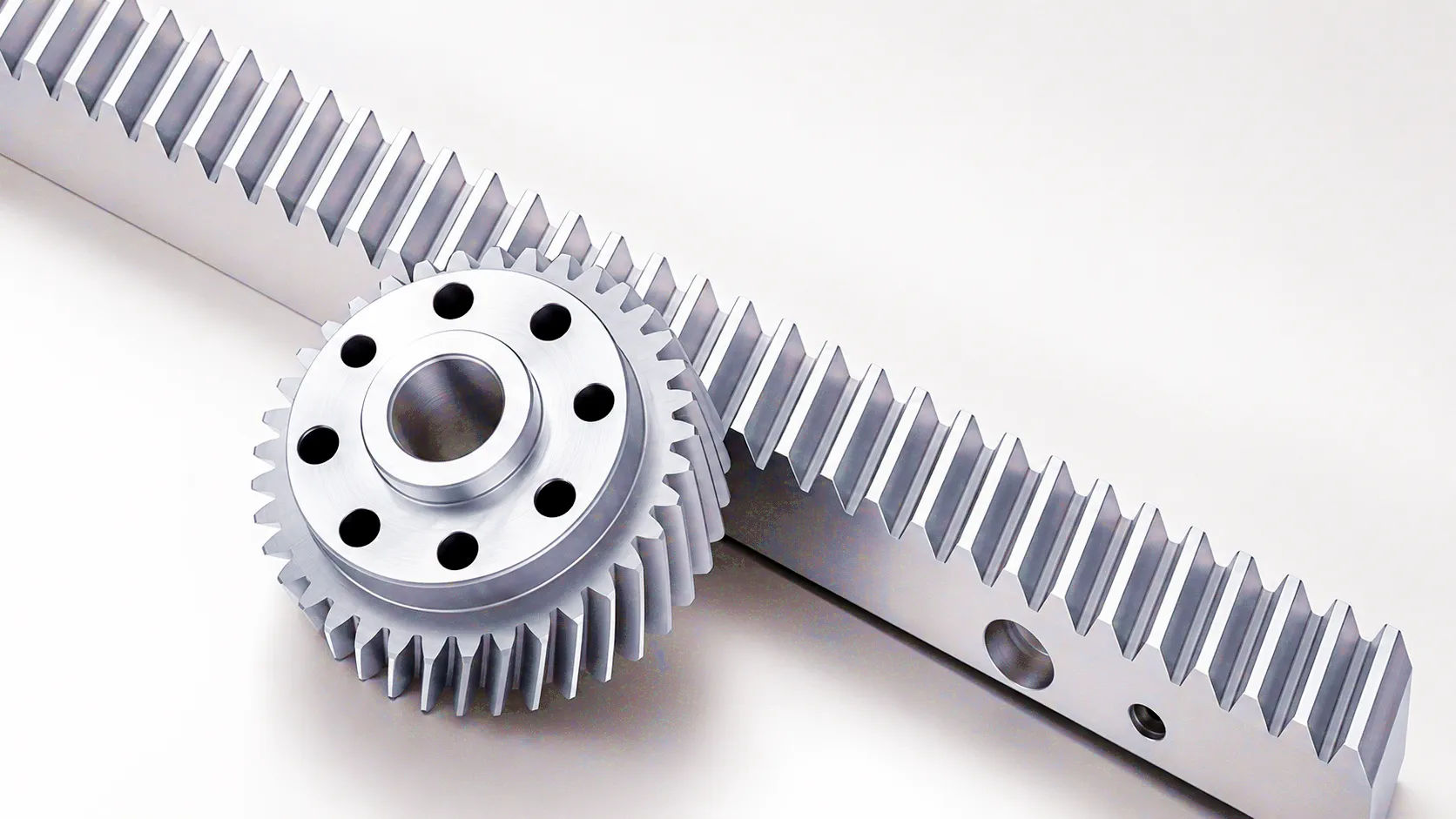 When positioning requirements reach the extreme precision range — typically ±0.003 mm or tighter — standard rack-and-pinion backlash management is no longer sufficient. Backlash, the small clearance deliberately introduced between mating gear flanks to prevent interference and allow for lubrication film, becomes a liability when direction reversals must produce zero lost motion. Zero backlash rack systems address this by using spring-loaded split pinion mechanisms or pre-loaded dual pinion arrangements in conjunction with Grade 4–5 ground racks to eliminate effective backlash at the system level. These configurations are standard in high-precision plasma cutting, measuring machine drives, and semiconductor wafer handling gantries, where even a single micrometre of lost motion would produce an out-of-tolerance result.
The accuracy grade of the rack is foundational to zero-backlash system performance: a split pinion mechanism cannot compensate for cumulative pitch deviation because that error is periodic and directional. Only a sufficiently accurate rack — one where cumulative pitch deviation is smaller than the desired positioning tolerance — allows the mechanical backlash elimination mechanism to function correctly. This is why zero-backlash applications invariably specify Grade 4–6 ground racks rather than attempting to compensate for poor rack geometry through more complex and expensive motion control algorithms.
Ever Power: Precision Manufacturing and Global Customisation Capability
Ever Power operates a vertically integrated gear rack manufacturing facility with CNC gear grinding centres, profile measurement rooms maintaining ISO 68-2 thermal environments, induction hardening lines calibrated to ±2°C precision, and a surface treatment shop capable of applying zinc phosphate, black oxide, nickel plating, DLC (diamond-like carbon) coating, and specialised anti-corrosion finishes to both standard and bespoke rack sections. Our production quality system is built around full traceability from raw material certificate through finished component inspection, with each gear rack shipped with a dimensional inspection report documenting actual measured values for pitch deviation, profile error, and lead deviation — not nominal tolerances.
For UK and European clients, Ever Power offers comprehensive customisation services that go beyond standard catalogue items. Custom rack length up to 3 000 mm per section (with butt-jointed extension capability for unlimited travel), non-standard modules, helical angles to specification, mounting hole patterns matched to client drawings, and specific surface treatment combinations are all available with typical lead times of 3–6 weeks for production quantities. Our export logistics team handles DDP (Delivered Duty Paid) shipments to UK addresses, significantly simplifying the procurement process for UK engineering managers who prefer a fixed, all-inclusive landed cost.
Customer Success Story: Precision Gantry Retrofit in Coventry
A precision sheet metal fabrication company based in Coventry — supplying automotive structural components to several West Midlands Tier-1 suppliers — was experiencing consistent positional drift on two of its plasma cutting gantries. The machines, originally equipped with hobbed C45 racks specified at Grade 8, had entered a rapid wear cycle after three years of two-shift operation. Cumulative pitch deviation had grown to over 120 µm on the main axis racks, causing cut profile errors of ±0.3 mm at the far end of the 8-metre cutting bed. Reject rates on complex bracket profiles had reached 4.2%, an economically unsustainable figure given the material cost of the pre-treated steel sheet being processed.
After consulting with the Ever Power technical sales team, the company replaced the existing rack systems with Grade 5 induction-hardened helical racks in 42CrMo4, module 5, complete with black oxide surface treatment and an automatic centralised lubrication system integrated into the gantry bridge. The original motion controller was retained; no re-parametrisation of positional feedback loops was required, as the new racks’ accuracy inherently delivered the required positioning without software compensation. Ever Power supplied the racks in pre-matched sections with stepped butt joints, precisely ground to a cumulative pitch deviation of under 20 µm across the full 8-metre assembled length. DDP delivery to the Coventry facility was completed within 4.5 weeks of order, allowing the retrofit to be completed during a scheduled production shutdown.
Post-retrofit measurements confirmed positional repeatability of ±0.012 mm across the full travel, and cut profile rejects dropped from 4.2% to under 0.3% within the first production month. The customer calculated a full return on investment within seven months, accounting for rack procurement cost, installation labour, and the revenue value of eliminated scrap. Eighteen months after installation, the racks remain within specification with no measurable wear progression beyond the initial running-in period.
“The pitch deviation across our 8-metre assembled rack is genuinely impressive — under 20 µm measured end-to-end. Our cut quality improved beyond what we thought the controller hardware was capable of. Ever Power’s pre-matched section system made butt-joint assembly straightforward and the alignment came out right the first time.”
“We compared three suppliers for this project and Ever Power offered the only combination of Grade 5 certification with DDP delivery under five weeks at a competitive price point. The inspection report supplied with each rack section — showing actual measured deviations rather than just ‘within tolerance’ stamps — gave our quality team exactly the documentation they needed for our customer audit trail.”
“The helical rack geometry made a noticeable difference to drive noise — our operators commented on it immediately after commissioning. The automated stacker aisle is measurably quieter, which matters in a facility where we’re working toward a 65 dB(A) ambient noise ceiling. Surface finish on the tooth flanks was clearly superior to what we’d received from previous suppliers, and the black oxide treatment has shown no rust in eight months of operation in our ambient temperature warehouse.”
Related Precision Rack and Guide Products
Precision ground V-profile helical rack for high-stiffness linear guide applications. Combines lateral guidance and drive function in a single component.
Hardened and ground rectangular profile guide rail for mating with rack drive systems. Ideal for heavy-load linear motion in industrial automation.
Frequently Asked Questions
For aerospace composites routing where dimensional tolerances on cut profiles are typically ±0.05 mm or tighter, Grade 5 precision ground helical rack is the standard starting specification. If positional repeatability requirements are below ±0.015 mm across the full travel stroke, Grade 4 ground rack with a zero-backlash tandem pinion arrangement should be evaluated. In both cases, 42CrMo4 carburised and ground rack with DLC or nitrided surface finish will provide the fatigue life needed for three-shift aerospace production cycles.
Price varies considerably with module, length, accuracy grade, material, and surface treatment. As a rough guide, Grade 6 induction-hardened helical racks in 42CrMo4, module 4, are typically priced 2–3 times higher per metre than equivalent Grade 8 hobbed racks. Quotes from Ever Power’s sales team (sales@farm-equipment-parts.com) include the exact rack section, material certification, and DDP UK delivery, making landed cost comparison straightforward. Custom module or non-standard helical angle adds 15–25% to standard item pricing depending on batch size.
Ever Power supplies Grade 3–6 precision ground racks with individual dimensional inspection reports as standard, documenting actual measured pitch deviation, profile error, and lead deviation — not certificate-of-conformance summaries. These reports satisfy the traceability requirements of most UK quality management systems including ISO 9001 and IATF 16949. DDP delivery to Birmingham addresses is available, typically within 4–6 weeks for custom orders. Contact sales@farm-equipment-parts.com with your drawing or specification for a detailed quote.
Grade 7 hobbed racks are suitable for stacker cranes where bin addressing tolerance is ±2 mm or wider and operating speed is below 3 m/s. When the system operates at 5 m/s or above, or when bin addressing requires ±0.5 mm repeatability for narrow-aisle very-high-bay configurations, Grade 5 helical rack becomes necessary to achieve smooth high-speed travel without resonance excitation. Upgrading is also advisable when rack wear on Grade 7 sections is causing progressive degradation of addressing accuracy within 18–24 months — a sign that tooth contact stress is exceeding the material’s endurance limit.
Email sales@farm-equipment-parts.com with your required rack length, module, accuracy grade, helix angle (if helical), material preference, surface treatment, and target quantity. Ever Power’s technical team responds with a budgetary price within one working day, and a formal quotation including DDP UK freight cost within 48 hours for standard configurations. For bespoke designs, a review call with an Ever Power engineer can be arranged to confirm the optimal specification before finalising the order.
From Grade 8 hobbed racks for agricultural machinery to Grade 3 ground racks for precision metrology, Ever Power has the manufacturing depth and customisation capability to match. Contact our technical sales team for a same-day budgetary response.
📧 Get a Quote — sales@farm-equipment-parts.com