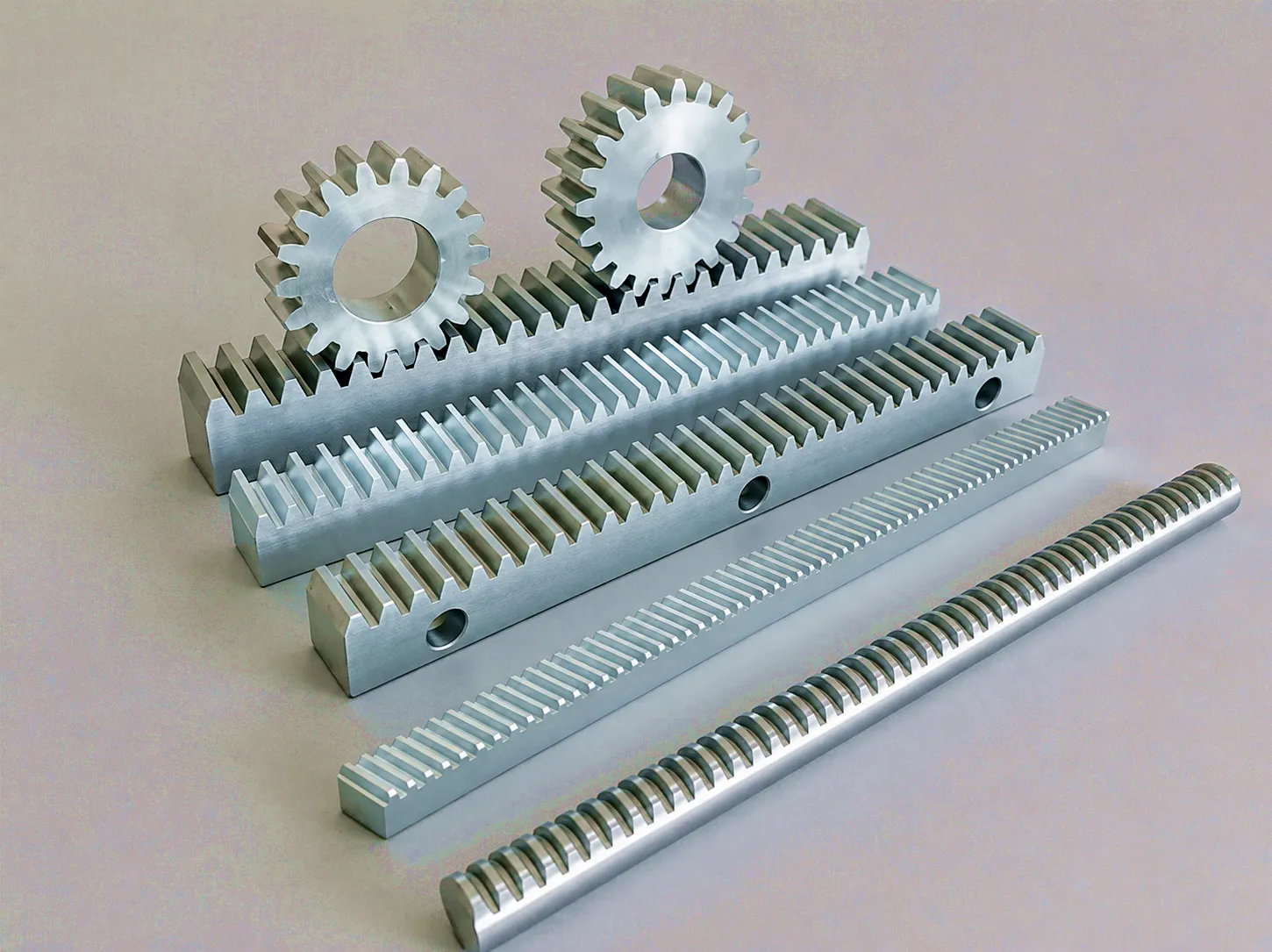
 When British engineers and procurement managers in sectors ranging from food processing in Leeds to pharmaceutical automation in Cambridge start evaluating gear racks, material selection often emerges as the pivotal decision. While steel and cast iron have dominated gear rack applications for more than a century, plastic and nylon gear racks have quietly established themselves as the preferred choice across a growing range of modern, precision-critical environments. These polymer-based components offer a combination of noise reduction, corrosion resistance, self-lubrication, and weight savings that metal simply cannot match in specific contexts. Understanding exactly where they excel — and where their limitations make them unsuitable — is the foundation of sound mechanical design.
Gear racks convert rotational motion into linear motion, or vice versa, by meshing with a pinion gear. The performance of a gear rack system — its noise level, load capacity, service life, and maintenance demands — is fundamentally shaped by the material it is made from. Plastic and nylon variants have seen rapid adoption in light-to-medium-duty automation lines, conveyor systems, and sliding gate drives across the UK, particularly where environmental exposure, hygiene requirements, or acoustic constraints make metallic components impractical.
What Are Plastic and Nylon Gear Racks?
Plastic gear racks and nylon gear racks are linear toothed components engineered from engineering polymers rather than from ferrous or non-ferrous metals. The most widely used base materials include polyamide (PA6, PA66), acetal (POM/Delrin), ultra-high-molecular-weight polyethylene (UHMWPE), and glass-fibre-reinforced nylon composites. Each of these polymers delivers a distinct balance of mechanical strength, chemical resistance, temperature tolerance, and tribological behaviour, enabling designers to tailor the rack to their specific operating conditions without resorting to overengineered metal alternatives.
In the UK market — where manufacturing operations in cities such as Birmingham, Manchester, and Sheffield increasingly emphasise lean automation and energy efficiency — the shift towards polymer motion components has been particularly notable in food and beverage machinery, medical device assembly lines, and logistics sorting systems. The gear rack’s tooth profile in plastic variants is typically manufactured by injection moulding, extrusion, or precision CNC machining, with the latter producing the tightest dimensional tolerances and the smoothest tooth flanks. For applications demanding higher positional accuracy, precision ground helical racks in engineering polymers represent an increasingly popular option, especially in packaging automation where speed and repeatability are non-negotiable.
Working Principle of Polymer Gear Racks
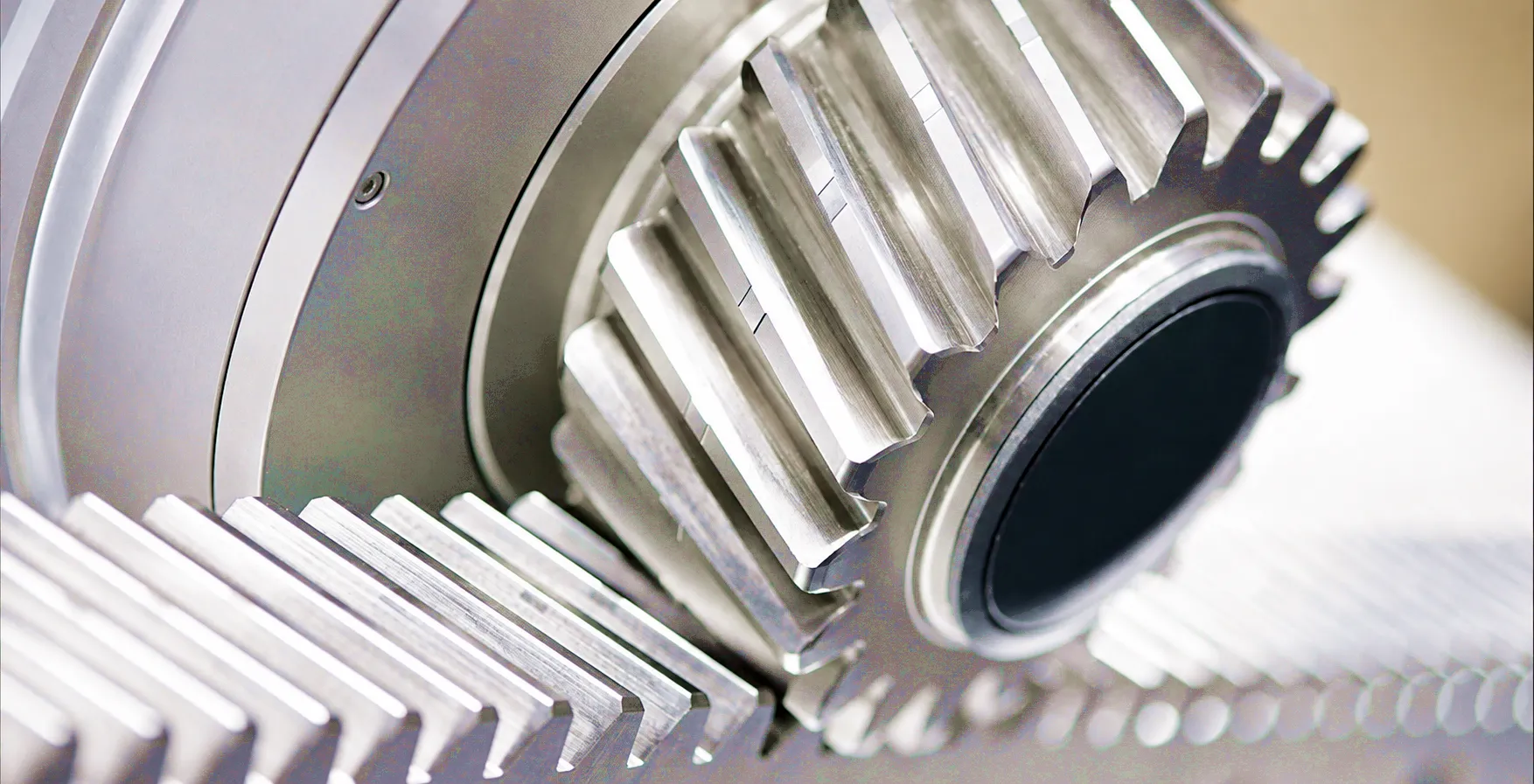
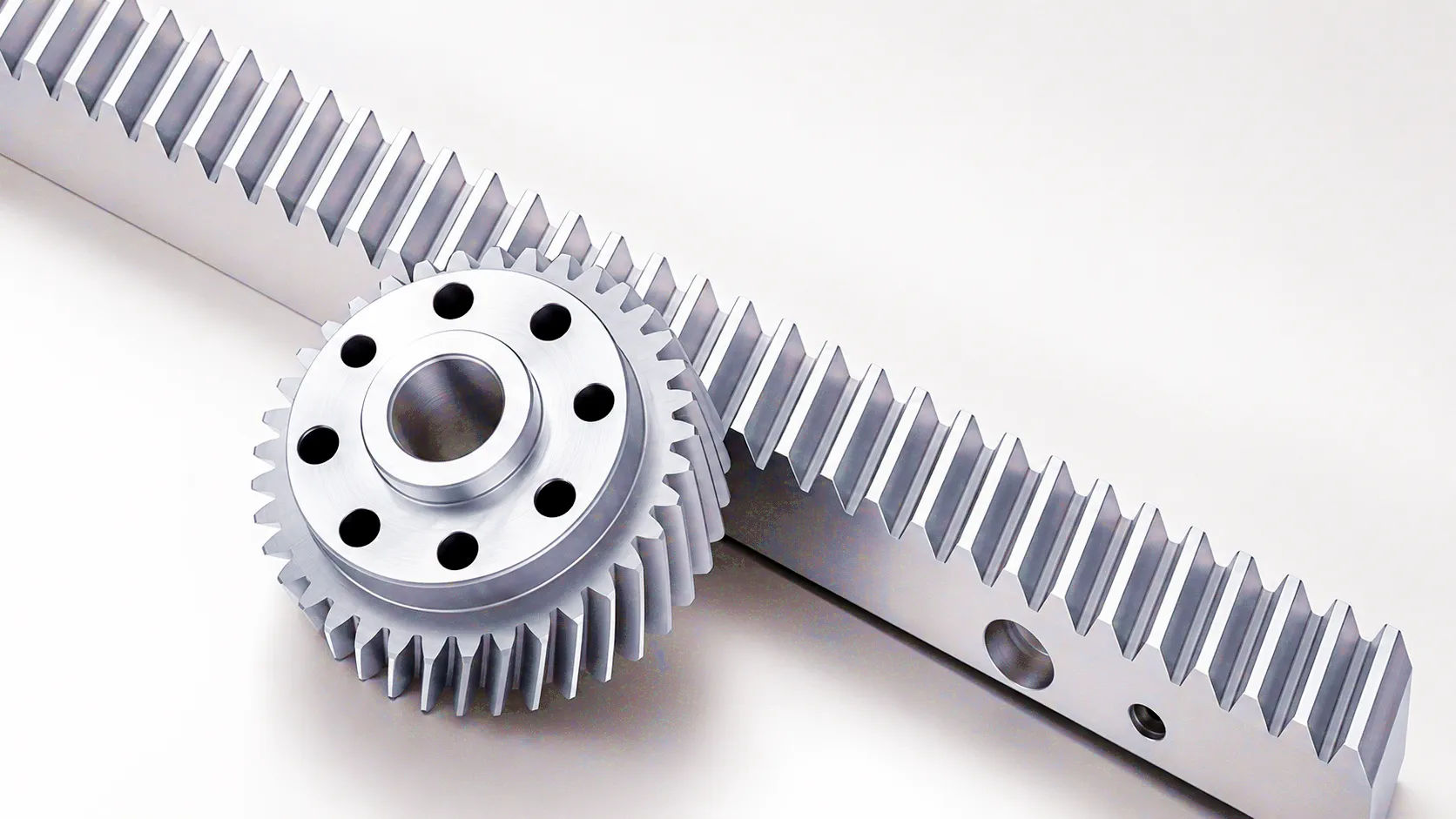
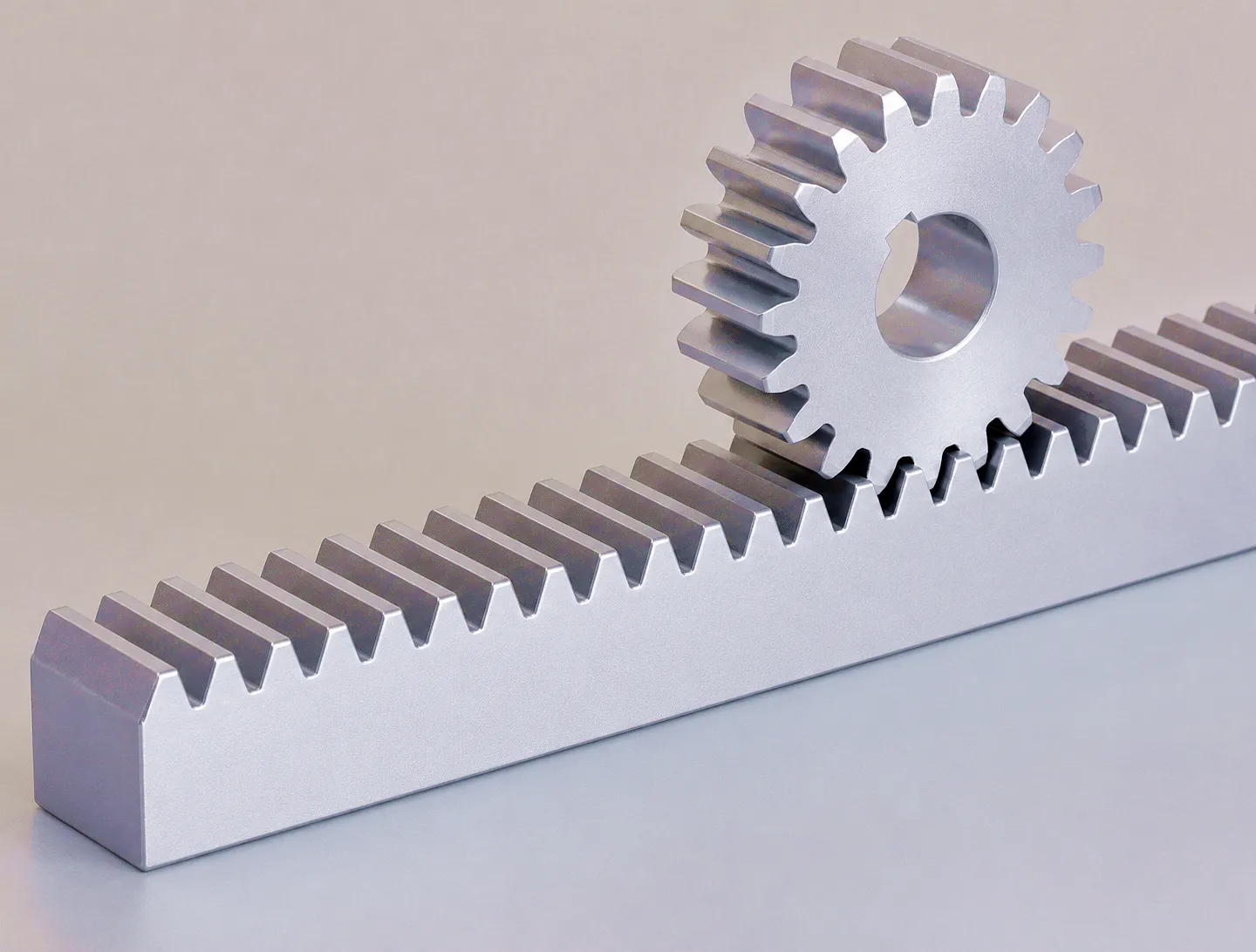
A rotating pinion gear meshes with the flat, toothed gear rack surface. As the pinion turns, its teeth bear against the rack teeth, converting torque into a precise translational force that drives the rack — and whatever load is attached — along its linear axis. In polymer racks, the elastic modulus of the material allows micro-deflection under load, which reduces shock-load peaks and contributes to quieter, smoother operation compared to rigid steel equivalents.
Nylon and acetal are inherently self-lubricating polymers. Their molecular structure produces a low coefficient of friction at the tooth-flank contact interface, meaning oil or grease lubrication is often unnecessary in low-to-medium duty cycles. This characteristic is transformative for food-grade applications in Yorkshire’s food manufacturing corridor, where any risk of lubricant contamination of product lines is unacceptable and regulatory compliance requires clean running components without external lubricant management.
The viscoelastic nature of engineering polymers absorbs vibrational energy at the tooth mesh interface. Where a steel rack transmits every impulse directly through the machine frame, a nylon rack dissipates a proportion of that energy internally. In practice, this can reduce gear rack operating noise by 8–15 dB(A), a meaningful reduction in automated warehouses, hospital supply chain systems, and laboratory environments where background noise levels are carefully controlled.
Core Materials Used in Plastic and Nylon Gear Racks
The workhorse of polymer gear racks. PA6 and PA66 offer a tensile strength of 75–90 MPa (unreinforced) and outstanding abrasion resistance. PA66 runs slightly harder and absorbs less moisture than PA6, making it more dimensionally stable in humid environments. Glass-fibre reinforced grades push tensile strength above 180 MPa, approaching that of some aluminium alloys. Widely used in UK conveyor systems, sliding gate drives, and light-duty positioning tables where corrosion-free operation is a primary concern.
Polyoxymethylene (POM) is the premium choice when dimensional precision and moisture resistance are paramount. Unlike nylon, POM absorbs less than 0.2% moisture, meaning its mechanical properties and tooth geometry remain stable even in wet processing areas — a critical requirement in Scottish seafood processing plants and UK dairy equipment. It machines to exceptionally fine tolerances, and its smooth surface finish reduces tooth flank wear rates. POM gear racks are frequently paired with zero-backlash pinion systems in CNC routing and inspection equipment.
Adding 15–30% short glass fibre to a nylon matrix significantly improves stiffness, compressive strength, and heat deflection temperature. GF-nylon gear racks can sustain continuous operating temperatures up to 120°C — relevant for automotive body shop conveyor equipment near welding stations in Coventry and West Midlands assembly plants. The trade-off is reduced toughness and increased abrasiveness compared to unfilled grades, so the mating pinion material must be chosen with care to avoid accelerated wear.
Ultra-high-molecular-weight polyethylene offers the lowest coefficient of friction (0.05–0.20 against steel) of any engineering plastic commonly used in gear racks. It excels in extremely abrasive or chemically aggressive environments — mining equipment wash-down areas, quarry processing conveyors, and chemical dosing systems — where other polymers degrade rapidly. Although its compressive strength is lower than nylon or POM, UHMWPE gear racks in lightly loaded, high-cycle applications deliver exceptional service life with virtually no maintenance intervention required.
Key Advantages of Plastic and Nylon Gear Racks
Polymer gear racks absorb vibration at the tooth mesh, reducing operational noise levels by up to 15 dB(A) compared with uncoated steel racks. This makes them ideal for clean-room, healthcare, retail automation, and office-environment installations across the UK — locations where acoustic comfort is a regulatory or commercial requirement.
Nylon and POM gear racks are unaffected by the wide range of cleaning agents, mild acids, alkalis, and saline solutions encountered in food production, pharmaceutical manufacturing, and marine environments. This eliminates the surface treatment costs associated with stainless-steel or zinc-plated metal racks, reducing total cost of ownership considerably over a typical five-to-ten-year service life.
Engineering polymers are 5–7 times lighter than steel by volume. A polymer gear rack of equivalent module and length reduces the dynamic mass of moving assemblies substantially, lowering the motor torque and gearbox rating required to accelerate the system. In multi-axis gantry systems and automated guided vehicle (AGV) platforms used in UK warehouse logistics, this weight reduction translates directly into reduced energy consumption and lower peak power draw.
Self-lubricating polymers eliminate the need for oil or grease in many operating conditions, removing both the direct consumable cost and the labour cost of periodic re-lubrication. In pharmaceutical packaging lines in Swindon or confectionery equipment in Birmingham, dry-running polymer gear racks allow machinery to maintain stringent hygiene standards without sacrificing mechanical reliability or requiring specialised food-grade lubricants.
Injection-moulded and extruded polymer racks carry a lower unit production cost than precision-ground metal alternatives at medium-to-high production volumes. When combined with reduced machining costs, no surface treatment, and minimal maintenance requirements, the overall lifecycle cost of plastic gear rack systems frequently undercuts steel by 30–50% in suitable applications, making them a commercially attractive choice for OEM designers specifying motion components across UK-produced machinery.
All engineering polymers are electrically non-conductive, which is a valuable property in electronic assembly equipment, semiconductor handling systems, and medical devices where stray electrical currents or electrostatic discharge (ESD) must be prevented. Specialist anti-static grades of nylon and POM are also available for environments where charge accumulation poses a safety or product-quality risk.
Limitations and When to Choose Metal Instead
No engineering material is universally superior, and an honest assessment of polymer gear rack limitations is essential for reliable design decisions. The most significant constraint is load capacity. Even glass-fibre-reinforced nylon gear racks have a maximum allowable tooth bending stress well below that of case-hardened steel — typically 40–60 MPa for unfilled nylon versus 300–500 MPa for induction-hardened steel racks. This means plastic gear racks are unsuitable for heavy gantry robots, large press transfer systems, or any application where the calculated tooth root stress exceeds the polymer’s endurance limit.
Temperature sensitivity is the second major limitation. Most engineering polymers begin to soften or creep above 80–100°C continuously, and the mechanical properties of unreinforced nylon degrade noticeably at elevated temperatures. In foundry environments, heat treatment areas, or near industrial ovens — settings common in Sheffield’s speciality steel and Midlands die-casting industries — metal gear racks remain the only viable choice. Furthermore, dimensional changes due to thermal expansion and moisture absorption must be factored into the design of polymer rack systems, requiring larger housing clearances and more frequent alignment verification than steel equivalents.
- Heavy-duty linear axes (>500 N tooth load)
- Continuous temperatures above 100°C
- Precision CNC machine tool feeds
- Highly aggressive chemical media (strong solvents)
- Impact or shock-dominated cycles
- Food-grade and pharmaceutical automation
- Sliding gates and access control
- Light conveyor positioning systems
- Wet, corrosive, or washdown environments
- Noise-sensitive or clean-room installations
Technical Specifications & Performance Parameters
| Parameter | PA6 Nylon | PA66 Nylon | GF30-PA66 | POM (Acetal) |
|---|---|---|---|---|
| Tensile Strength | 70–80 MPa | 80–90 MPa | 180–210 MPa | 65–75 MPa |
| Bending Stress (allowable) | 30–45 MPa | 35–50 MPa | 80–110 MPa | 40–55 MPa |
| Max Continuous Temp (°C) | 80–100 | 90–110 | 110–125 | 80–100 |
| Moisture Absorption (24 h) | 1.6% | 1.0% | 0.8% | <0.2% |
| Coefficient of Friction (dry, vs steel) | 0.20–0.35 | 0.20–0.32 | 0.25–0.38 | 0.10–0.20 |
| Density (g/cm³) | 1.13–1.15 | 1.14–1.16 | 1.40–1.45 | 1.41–1.43 |
| Available Module Range | M1–M8 | M1–M8 | M1.5–M6 | M1–M6 |
| Standard Lengths | 500 mm / 1000 mm / 2000 mm; custom lengths available | |||
| Pressure Angle | 20° (standard); 14.5° available on request | |||
| Tooth Form | Straight (spur) / Helical — both available in polymer grades | |||
| Food-Grade Certification | FDA / EU 10/2011 compliant grades available on request | |||
Industrial Application Scenarios
Where polymer gear racks deliver measurable competitive advantage across UK industry
Nylon gear racks are widely specified in UK food production — from ready-meal conveyor systems in East Anglia to dairy packaging lines in Cheshire. Their compliance with food-grade material standards (FDA, EU 10/2011), combined with their self-lubricating nature and resistance to steam and acidic wash-down fluids, makes them the go-to specification. Machine downtime and the risk of lubricant contamination are both minimised without compromising on throughput or positional repeatability in tray-sealing or pot-filling machinery.
Diagnostic imaging positioning tables, laboratory liquid handling gantries, and pharmaceutical blister-packaging machines across UK life sciences hubs — particularly in the Oxford–Cambridge Arc and Scotland’s emerging life sciences corridor — increasingly rely on POM and nylon gear racks. The absence of metallic debris, lubrication-free operation, and the ability to withstand repeated sterilisation cycles with isopropyl alcohol or hydrogen peroxide vapour are decisive advantages in environments governed by UK MHRA and EU MDR compliance requirements.
Across residential estates, commercial premises, and industrial parks from the Scottish Borders to the South West of England, sliding gate systems powered by plastic gear racks have become the standard installation. Nylon gear racks resist the UV radiation, rain, and temperature cycling of the UK’s maritime climate without rusting or requiring protective coating maintenance. They operate quietly — a key consideration in noise-sensitive residential and mixed-use developments — and pair naturally with zero-backlash rack pinion drives to deliver smooth, position-accurate gate operation cycle after cycle.
The explosive growth of UK e-commerce fulfilment — driven by major logistics hubs around Northampton, Coventry, and the East Midlands distribution corridor — has created substantial demand for quiet, reliable, low-maintenance linear motion systems. Plastic gear racks are now a standard specification in parcel sorters, automated storage and retrieval (ASAR) systems, and robotic pick-and-place conveyor modules. Weight reduction in moving rack assemblies also reduces motor sizing requirements and, in large multi-lane sorter installations, delivers measurable reductions in total facility energy consumption over the life of the system.
Wide-format inkjet printers, vinyl cutters, and CNC router tables used extensively in UK print production, shopfitting, and signage manufacturing rely on gear rack and pinion drives for their X-axis gantry motion. Nylon and POM racks in module 1 to module 3 deliver smooth, relatively quiet positioning at the travel speeds typical of these machines. The absence of metallic particles that could contaminate printed media or scratch sensitive substrates is a practical benefit that printshop operators across London, Bristol, and Glasgow consistently value in day-to-day production.
The UK’s extensive coastline, river network, and public water infrastructure means there is a consistent demand for rack-and-pinion drive systems capable of operating in permanently wet, saline, or chlorinated water environments — from sluice gate actuators in Scottish Highland waterworks to seawater desalination intake screen drives on the English south coast. UHMWPE and nylon gear racks offer a level of corrosion immunity that no unprotected steel rack can match, and their immunity to the chlorinated or brackish water chemistry eliminates the sacrificial coating systems that increase both cost and maintenance workload in equivalent steel installations.
Modernising a Bristol Pharmaceutical Packaging Line with Nylon Gear Racks
A mid-sized pharmaceutical contract manufacturer operating two production facilities on the outskirts of Bristol came to Ever Power in late 2023 facing a recurring problem: their existing steel gear rack drives on a tablet blister-packaging line were generating metallic particles as the tooth surfaces wore, triggering contamination alerts and forcing unplanned production shutdowns every six to eight weeks. Each shutdown cost the company an estimated four hours of production time and the associated regulatory documentation overhead, cutting into margins on a contract that was already commercially tight.
After an initial technical consultation with Ever Power’s applications engineers, the decision was taken to replace the line’s module 3 straight gear rack drives — a total of eight rack sections across three machine axes — with FDA-compliant PA66 nylon gear racks paired with hardened steel pinions. The nylon rack grade selected carried a tensile strength of 82 MPa and a moisture absorption rate of under 1.1% at 24 hours, providing the dimensional stability needed in the line’s controlled-humidity cleanroom environment. The installation was completed over a single planned maintenance weekend, with zero line modification beyond the rack exchange itself.
The outcome exceeded the client’s targets. In the twelve months following commissioning, the line recorded zero contamination-related stoppages attributable to gear rack debris. Lubricant purchase and application costs were eliminated entirely. Noise measurements on the packaging line floor dropped by approximately 11 dB(A), satisfying a long-standing request from the site’s occupational health team. The client subsequently specified Ever Power nylon gear racks for a second line at their satellite facility in Weston-super-Mare, and the relationship has since expanded to include POM gear racks on a new injectable-filling inspection conveyor where wet sterilisation cycles require complete moisture immunity.
“We have run the Ever Power nylon racks for a full year without a single contamination event. The dimensional consistency from batch to batch is genuinely impressive — our validation team had no issues re-qualifying the line with the new components.”
“The custom length service was exactly what we needed. Standard rack sections would have required a splice joint at a mechanically awkward point on our gantry. Ever Power supplied single-piece racks to our exact drawing in two weeks — quicker than we expected and at a very competitive price.”
“What set Ever Power apart was the technical depth during the selection process. Their team correctly identified that we needed POM rather than nylon for the wet-cleaning cycle resistance. That kind of applications knowledge — given freely at the quotation stage — builds real confidence that you are dealing with genuine specialists.”
Frequently Asked Questions
Voice-search and long-tail queries answered by Ever Power’s technical team
Related Products from Ever Power
Explore our wider range of precision linear motion and gear rack products, including helical and zero-backlash variants designed for demanding UK industrial and automation applications.
Ready to Specify Plastic or Nylon Gear Racks for Your Project?
Tell Ever Power your module, length, material preference, and application — our UK-experienced applications engineers will respond with a tailored recommendation and competitive quotation within one business day.