How a Gear Rack Converts Rotational Force into Linear Motion
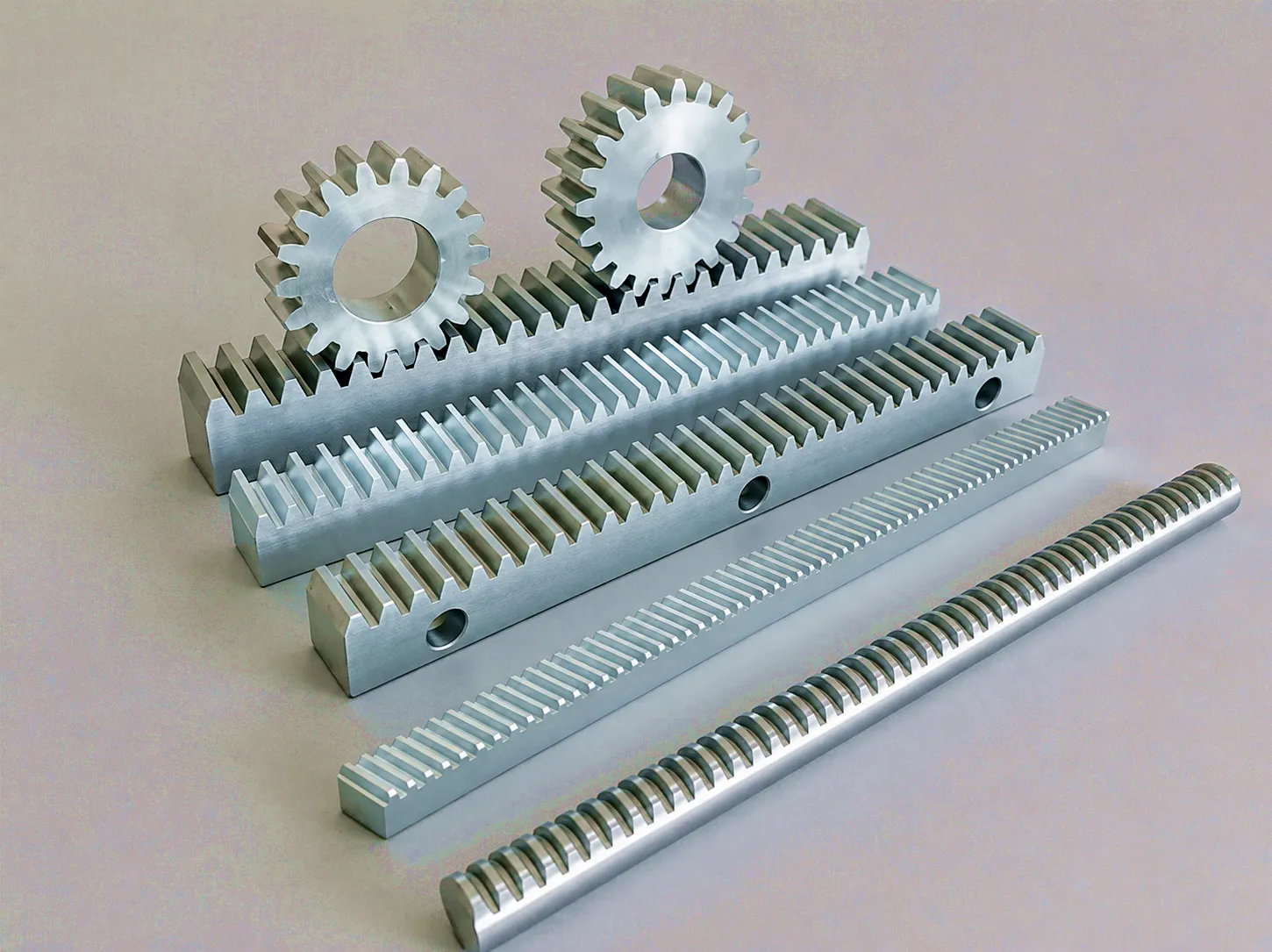
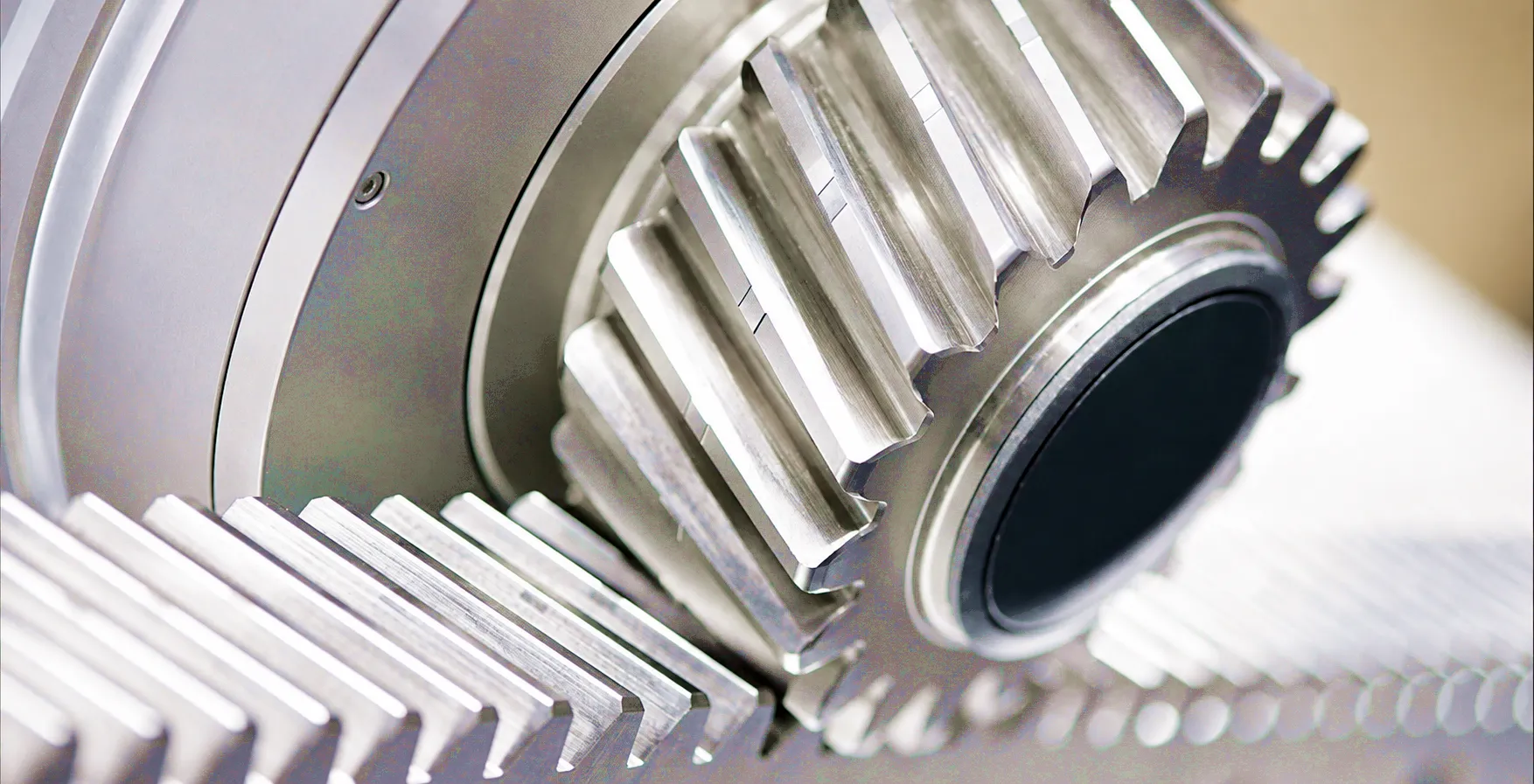
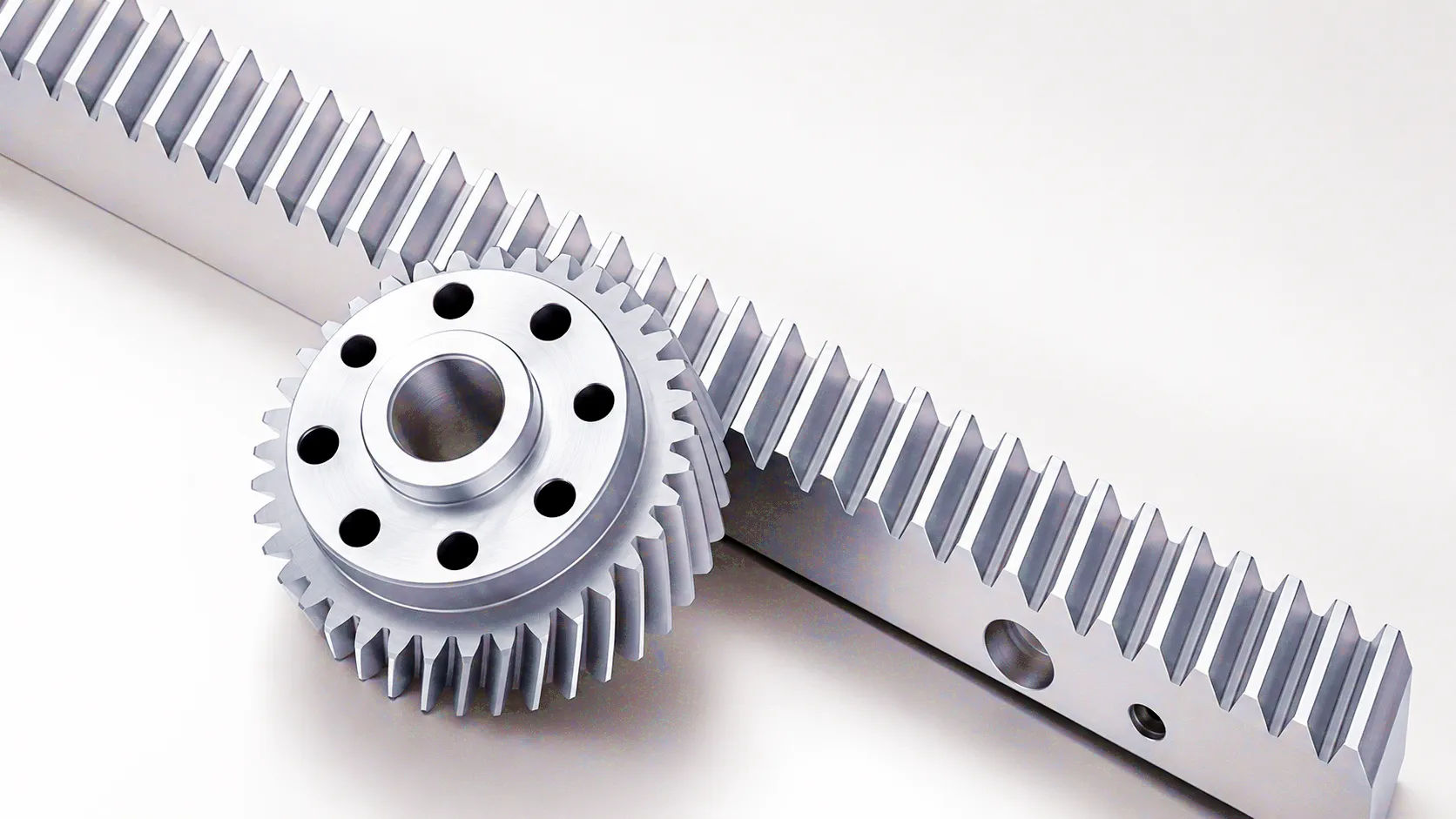
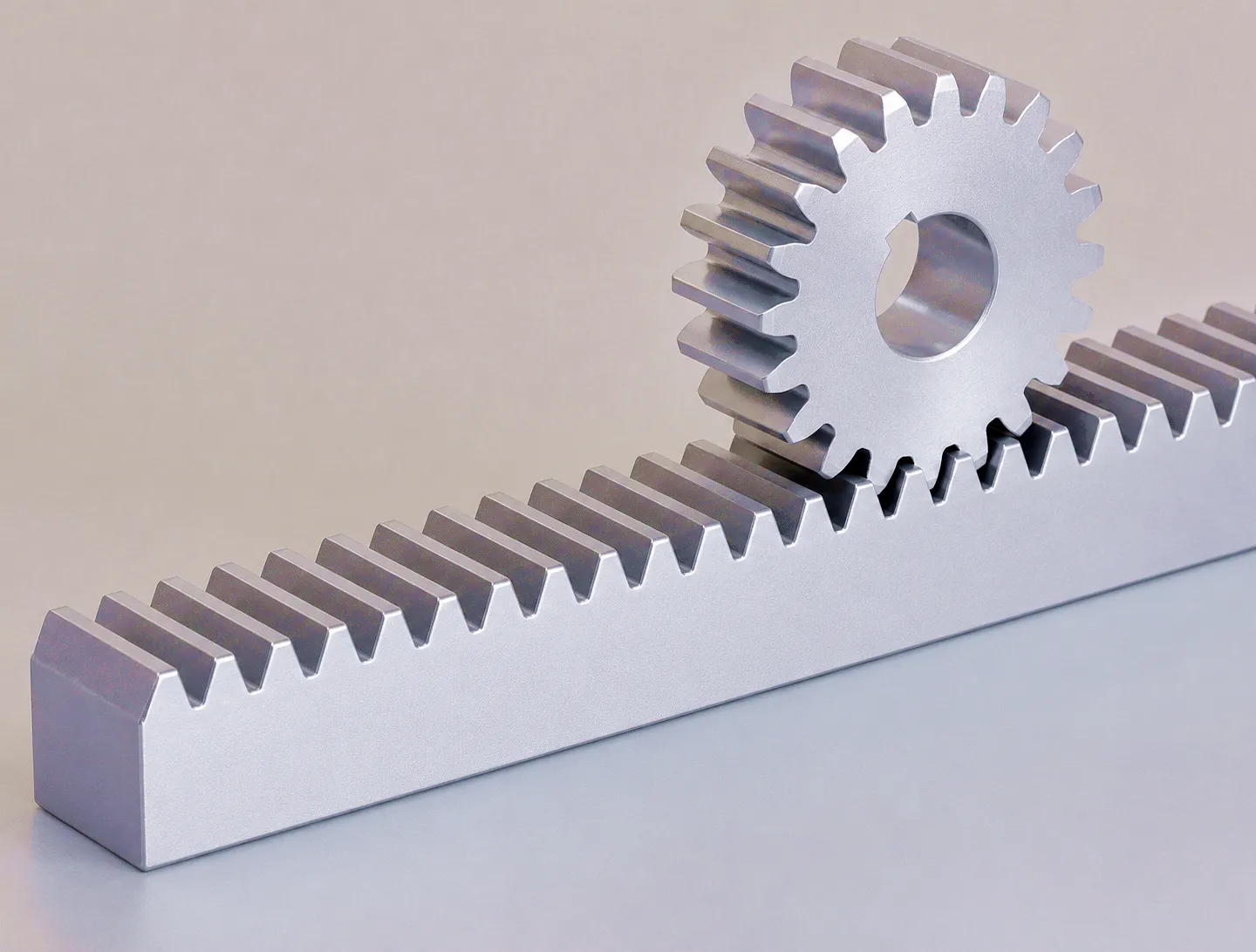
A gear rack is a flat or round bar with machined teeth cut at a defined pitch and pressure angle. When a rotating pinion gear meshes with those teeth, the rack translates that rotation into straight-line displacement. The distance the rack travels per revolution of the pinion equals the pinion’s pitch diameter multiplied by pi — a relationship that gives system designers a predictable, repeatable conversion ratio. In stainless variants, the tooth geometry follows the same involute profile as carbon steel racks, maintaining full interchangeability with standard pinion specifications while delivering the corrosion resistance that the environment demands.
Ground stainless steel gear racks achieve tooth profile accuracy at DIN class 5 to 7, with pitch errors typically below 0.015 mm per 300 mm of rack length. This level of precision matters enormously in automated assembly equipment, where cumulative positional error over long travel distances directly affects product quality and throughput. The zero backlash rack design takes this further, using preloaded twin-pinion configurations or spring-tensioned engagement to eliminate the dead zone between rack and pinion during direction reversal — critical in servo-driven axes where positioning repeatability is specified in microns rather than millimetres.
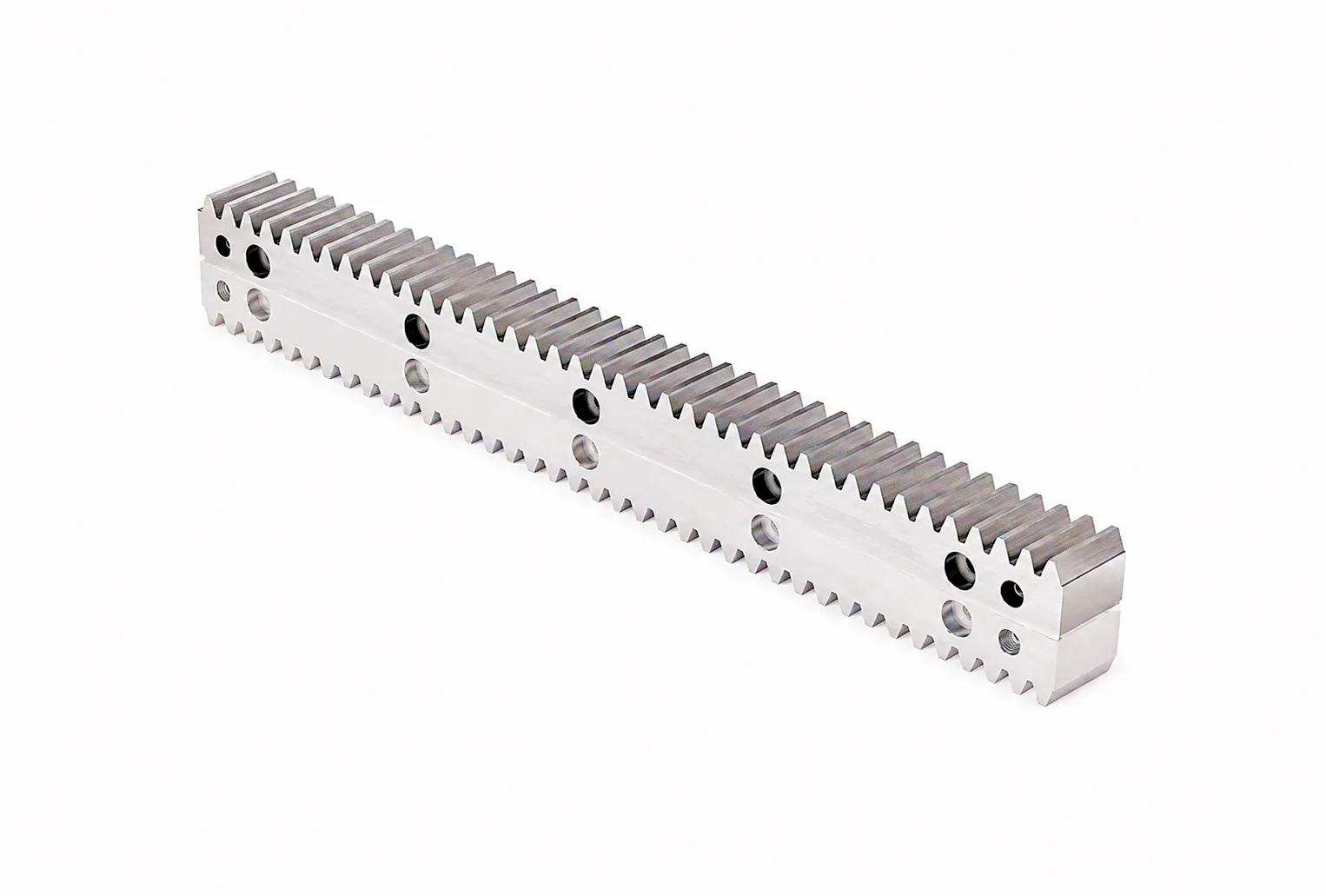
Long-travel systems are assembled by butting multiple rack sections end to end, each machined with a half-tooth at the join point so that the mesh remains uninterrupted across the joint. In stainless systems, ensuring consistent tooth geometry across this join is especially important because any pitch discontinuity creates a vibration pulse as the pinion crosses over — a problem magnified in high-speed gantry systems. Quality manufacturers supply matched rack sets where joining faces are ground to the same cumulative pitch standard as the body, allowing clean installation without shimming or manual adjustment on site.
304 vs 316 Stainless Steel: Choosing the Right Grade for Your Environment
The designation “stainless steel” covers a broad family of iron-chromium alloys, and not all of them perform equally when confronted with the chemicals and conditions typical in UK industrial settings. For gear rack applications, the conversation almost always comes down to two austenitic grades: 304 and 316. Both contain a minimum of 18% chromium, which forms the passive oxide layer that gives the material its corrosion resistance. The critical difference lies in molybdenum. 316 stainless adds 2% to 3% molybdenum to the alloy, and that addition fundamentally changes how the material behaves in the presence of chlorides — the ions found in seawater, many cleaning agents, certain food process streams, and the salt-laden coastal air that affects facilities from Aberdeen to Plymouth.
Grade 304 (18% Cr, 8% Ni) is the workhorse of stainless applications and represents the majority of stainless gear rack production worldwide. It handles atmospheric corrosion, humidity, dilute acids, and the mild chemical exposure of most food-grade, pharmaceutical, and light-industrial environments with ease. In UK facilities where the challenge is moisture control — dairies in Somerset, soft-drink production lines in the Midlands, or general automation in humidity-controlled warehouses — 304 grade provides fully adequate protection at a lower material cost than 316. Where it falls short is in sustained chloride exposure above ambient concentrations, where pitting corrosion can initiate at the grain boundaries of the passive film. For those applications, the upgrade to 316 is not optional.
- Tensile strength: 515 MPa minimum
- Yield strength: 205 MPa minimum
- Hardness: approx. 70–80 HRB (annealed)
- Suitable for: food processing, pharmaceutical, general automation
The addition of 2–3% molybdenum in 316 grade disrupts the mechanism by which chloride ions attack the passive film, dramatically raising the pitting resistance equivalent number (PREN) and extending the material’s useful life in aggressive environments. Offshore platform equipment operating in the North Sea, tidal gate mechanisms on the Thames Estuary, chlorinated water treatment systems, and chemical dosing lines in industrial estates around Teesside all represent environments where 316 stainless gear racks earn their cost premium many times over through extended service intervals and reduced unplanned downtime. The 316L variant (low carbon) is preferred wherever welding is required in the assembly, as it prevents sensitisation and the associated risk of intergranular corrosion around heat-affected zones.
- Tensile strength: 515 MPa minimum
- Yield strength: 205 MPa minimum
- PREN value: approx. 25 (vs. ~19 for 304)
- Suitable for: marine, offshore, chemical, washdown environments
Why Stainless Steel Gear Racks Outperform Coated Carbon Alternatives
Unlike zinc plating, nickel coating, or black oxide surface treatment, the corrosion resistance of stainless steel is a bulk property of the alloy — it runs all the way through the material. This matters critically for gear racks because the teeth are subject to continuous sliding and rolling contact that inevitably erodes surface coatings, exposing the base metal underneath. On a stainless rack, wear on the tooth flanks simply reveals more stainless steel. This property alone accounts for a substantial proportion of the total cost of ownership difference between stainless and coated carbon solutions over a five-to-ten-year service horizon.
The smooth, non-porous surface of ground stainless gear racks does not harbour bacteria or biofilm in the way that corroded or rough-textured surfaces do. This is directly relevant to UK food safety regulations — specifically the requirements of the Food Standards Agency and the broader framework of EC 1935/2004 on materials in contact with food. Stainless gear racks used in conveyor systems, portioning equipment, and filling lines comply with food-contact material standards in a way that painted or coated carbon racks simply cannot. Cleaning and sanitisation cycles that would strip coatings and initiate corrosion on carbon racks have no effect on correctly specified stainless components.
For UK facilities operating on lean maintenance schedules — and this includes a broad swathe of the manufacturing base from the automotive supply chain in the West Midlands to the brewing industry in Burton-on-Trent — stainless gear racks offer a meaningful reduction in scheduled maintenance activity. They do not require periodic re-greasing to counter corrosion in the way that carbon racks do, they do not need re-coating when the protective layer shows signs of degradation, and they are far less susceptible to the kind of surface pitting that creates stress concentration sites and initiates fatigue cracking over time. Many facilities find that stainless rack installations run for years between maintenance interventions, whereas carbon alternatives demand inspection and re-treatment at much shorter intervals.
Austenitic stainless steels retain their structural integrity across a broad temperature range. 316-grade stainless remains serviceable at continuous operating temperatures from cryogenic to approximately 870°C — a range that far exceeds the operating window of most surface coatings and of zinc-plated carbon steel, which begins to develop oxide scale at temperatures above 200°C. In practice for gear rack applications, this means stainless is an appropriate choice in bakery oven conveyor systems, in sterilisation autoclave handling equipment, and in glass-manufacturing facilities in the West Midlands, where ambient temperatures around furnace areas can be sustained well above what painted carbon steel can tolerate without degradation.
Austenitic stainless steel is essentially non-magnetic in its annealed state, a property that becomes significant in applications involving electromagnetic compatibility — MRI scanning equipment, precision laboratory instruments, semiconductor fabrication environments, or motion stages used adjacent to high-powered magnets. While the practical magnetic permeability of stainless can increase slightly under cold-working conditions, the base material remains magnetically benign enough for most sensitive applications. This gives stainless gear racks a niche that no amount of coating on carbon steel can replicate, and it is a specification point that UK machine builders in the medical device and scientific equipment sectors commonly call out explicitly in their design requirements.
Stainless gear racks are fully compatible with food-safe lubricants classified to H1 or H2 under NSF International standards — a requirement for any linear motion component that could incidentally contact food product or primary packaging. Carbon racks in similar applications typically require heavy-duty petroleum greases partly to protect against corrosion, but those lubricants are not food-safe. The switch to stainless removes this conflict, allowing the use of lightweight, odourless, food-grade greases or even dry lubricant coatings (such as PTFE-based sprays) that are entirely appropriate in food manufacturing environments governed by HACCP plans and scheduled for third-party hygiene audits.
Stainless Steel Gear Rack — Performance and Specification Reference Table
The following table consolidates the primary specification parameters for stainless steel gear racks across standard module ranges. Values represent typical production capabilities; custom specifications outside these ranges are available on application. All tooth forms are involute profile to DIN 867 unless otherwise specified. Ground versions offer tighter pitch accuracy than milled; specify accordingly for high-precision servo axes.
Industrial Applications Where Stainless Steel Gear Racks Deliver a Decisive Advantage
Sheffield Automation Systems Integrator: Replacing Corroded Carbon Racks in a Washdown Conveyor Application
A Sheffield-based automation systems integrator had designed and installed a modular conveyor system for a large-scale fresh produce packaging facility in Lincolnshire. The system used carbon steel gear racks with zinc-nickel plating to drive a series of product transfer gates along a 14-metre automated line. Within eighteen months of installation, accelerated corrosion on the rack tooth surfaces — driven by twice-daily high-pressure caustic washdown cycles — was causing mesh noise, measurable positional drift, and visible flaking of the protective coating into the production area. The customer’s food safety team flagged the risk of metallic contamination in the product zone, and the facility faced the prospect of a temporary shutdown during the peak summer harvest season to address the problem.
The systems integrator approached Ever Power with an urgent requirement: a matched set of 316L stainless steel gear racks to the same module and section dimensions as the original carbon racks, but manufactured to a tighter pitch accuracy to compensate for the wear that had occurred on the mating pinions during the period of rack degradation. Delivery to a distribution hub in the East Midlands was required within three weeks of order confirmation, with material certificates and first-article inspection reports needed to satisfy the facility’s supplier qualification process.
Ever Power confirmed a production and shipping programme that met the three-week delivery window. The replacement 316L racks were manufactured to DIN class 6 pitch accuracy, with a ground tooth flank finish of Ra 0.8 µm — a significant improvement over the original milled-and-plated carbon racks. Installation was completed during a scheduled maintenance window, and the facility returned to full production without the unplanned shutdown that had initially been considered inevitable. At the eighteen-month post-installation review, the stainless racks showed no measurable corrosion and maintained their original pitch accuracy within the specified tolerance envelope. The integrator has since standardised on 316L stainless specification for all washdown conveyor applications in its product range.
What UK Customers Say About Ever Power Stainless Gear Racks
“We had been through two sets of zinc-plated carbon racks in three years on our washdown conveyor. The Ever Power 316L stainless racks have now been running for over two years with no corrosion, no positional drift, and no maintenance interventions beyond routine lubrication. The material certificates matched exactly what our food safety team needed, and the custom pitch accuracy was spot on. We should have specified stainless from the start.”
“The custom rack set Ever Power produced for our offshore gate actuator project required non-standard module sizing and a specific mounting hole pattern that no UK catalogue supplier could match. Ever Power turned around the design review within 48 hours, and the delivered parts met the dimensional drawing perfectly. The 316 grade material was confirmed by the 3.1 certificates. First class service and genuinely responsive technical support throughout the project.”
“We needed ground stainless gear racks for a laboratory automation platform where positional accuracy and non-magnetic behaviour were both hard requirements. Ever Power’s ground 316 racks met the DIN class 6 accuracy spec, delivered Ra 0.6 µm on the tooth flanks, and the first-article report satisfied our metrology team’s sign-off process without a single query. Competitive pricing relative to equivalent European-sourced stainless rack, and logistics to our Cambridge facility were straightforward.”