⚙️ Mechanical Power Transmission | UK Industrial Guide
The Role of Gear Racks in Mechanical Power Transmission Systems
Precision linear motion solutions for the modern British manufacturing industry
Understanding Gear Racks in Industrial Power Transmission
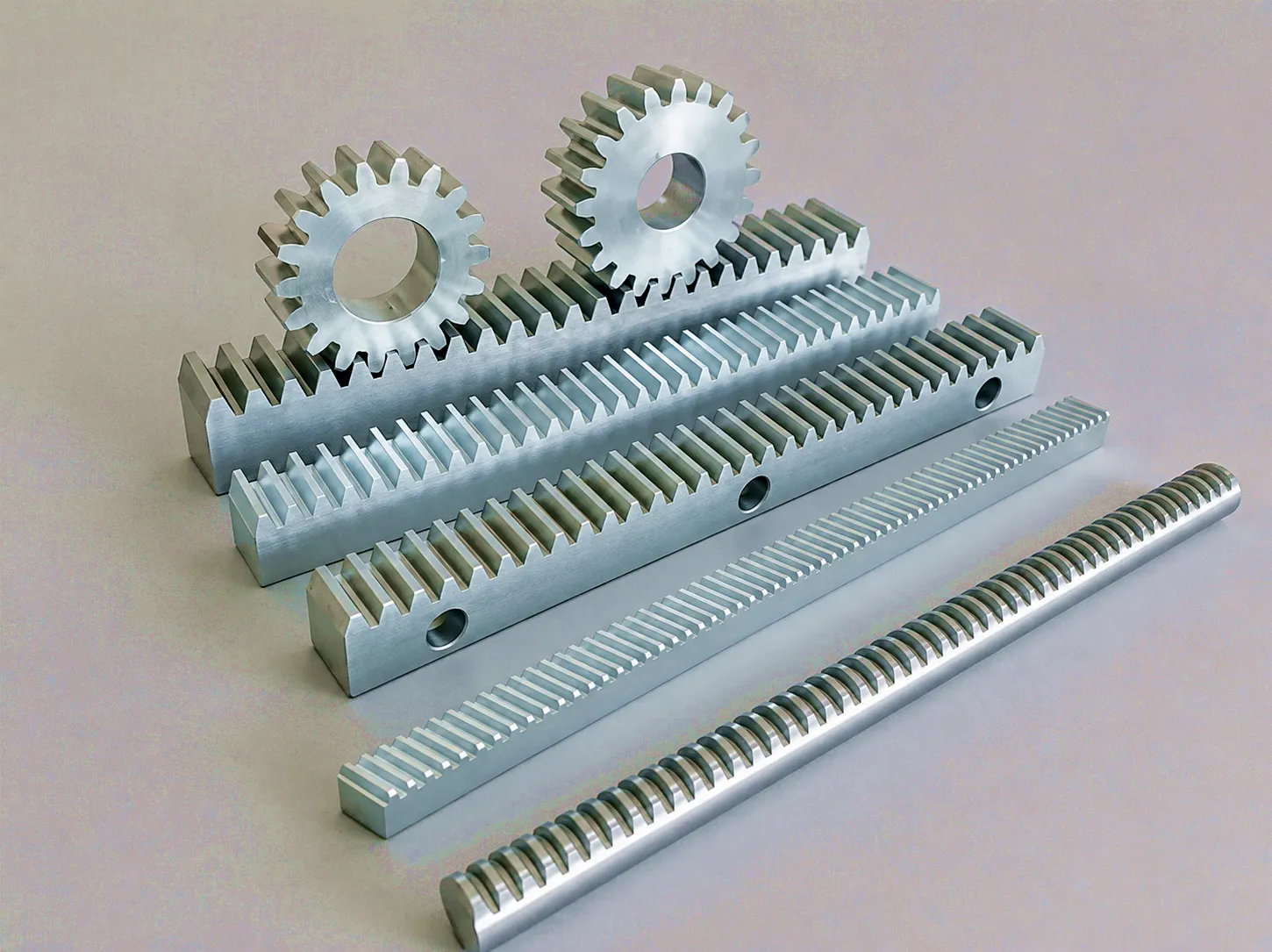
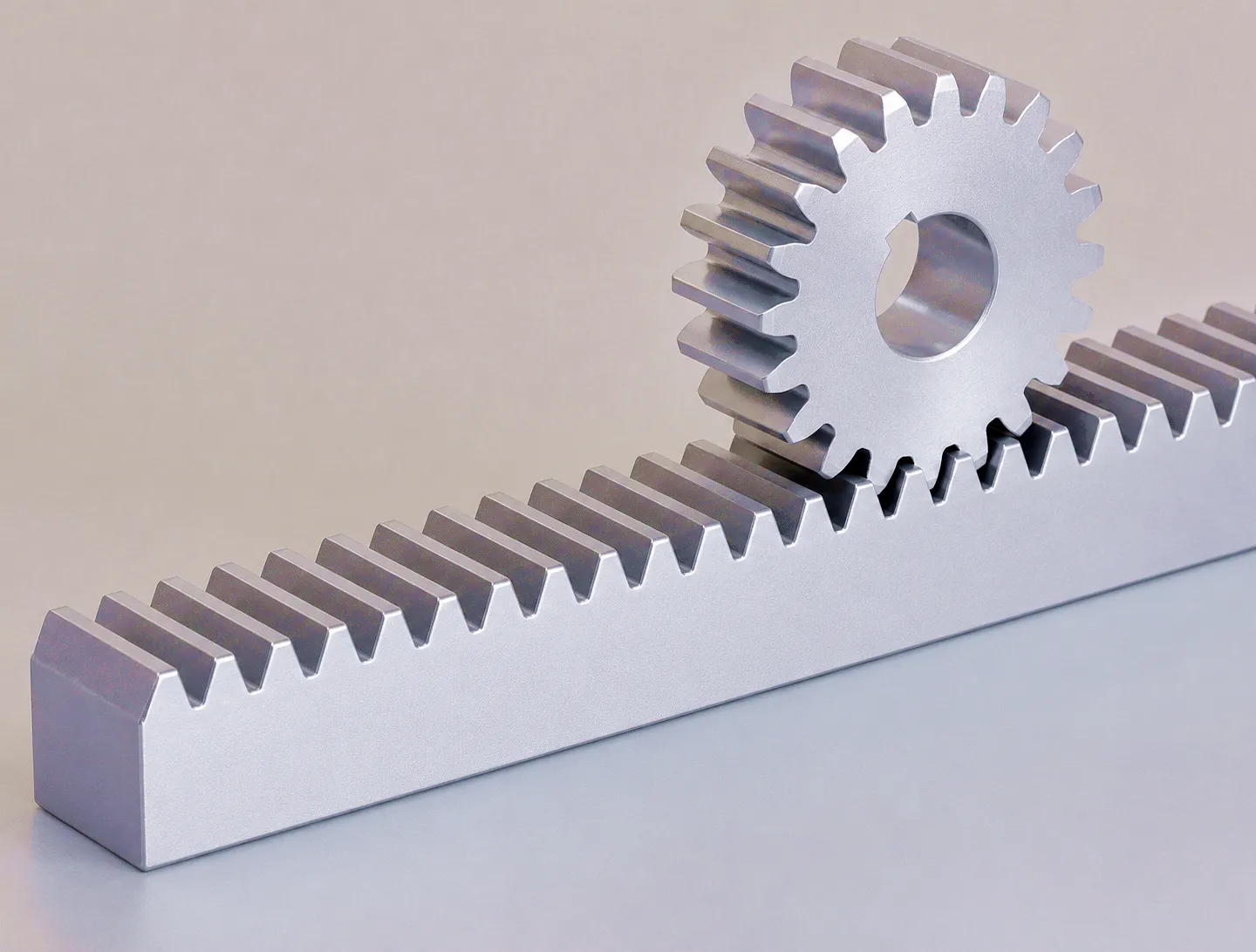
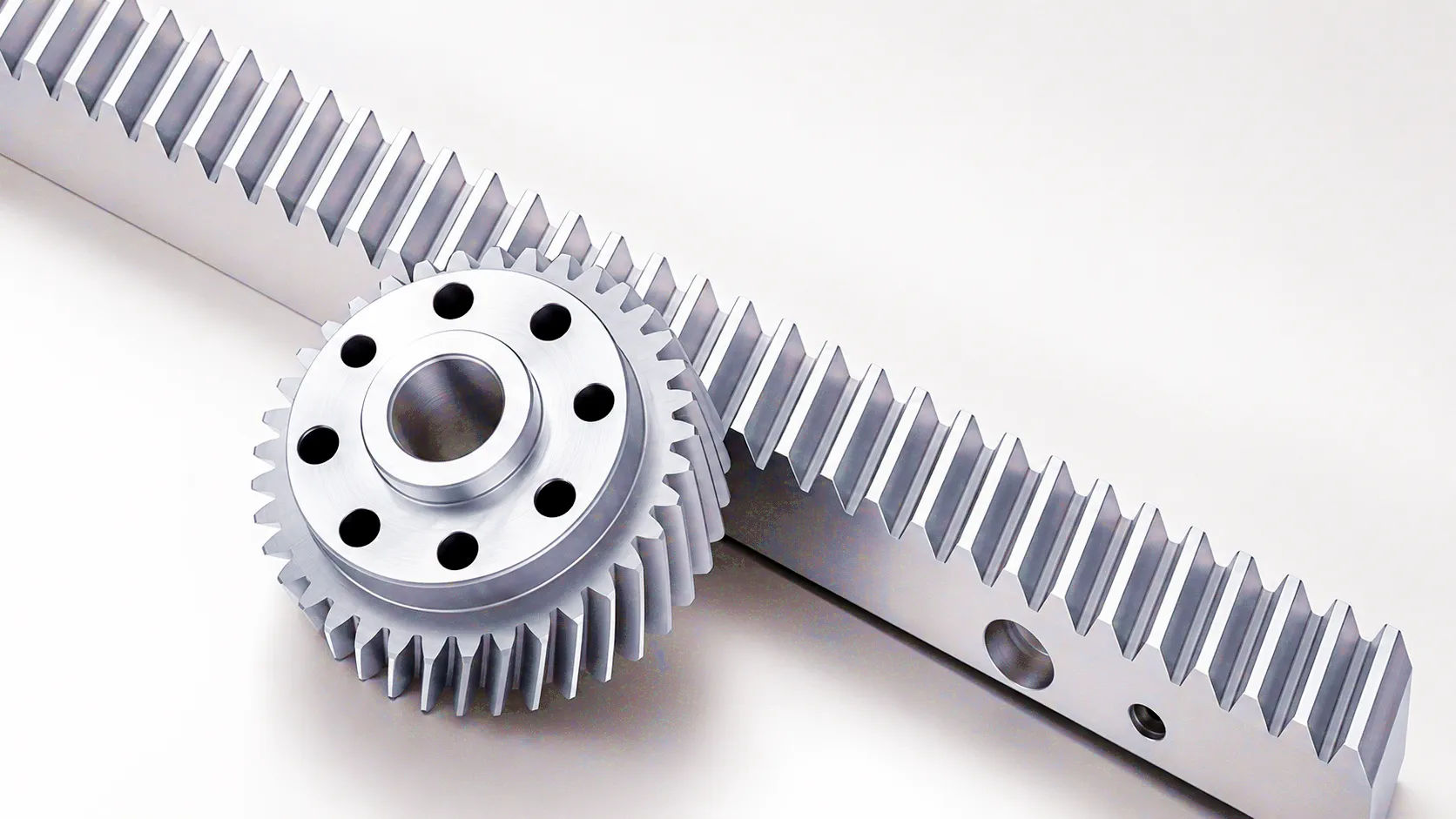
A gear rack is one of the most fundamental components in mechanical engineering, yet it rarely receives the attention it deserves outside specialist circles. At its core, a gear rack is a straight, toothed bar that meshes with a pinion gear to convert rotary motion into precise linear displacement — or, when the arrangement is reversed, to transform linear input into rotational output. This rack and pinion principle underpins an enormous range of industrial machinery, from the CNC machining centres humming away in Birmingham’s precision engineering workshops to the heavy-duty conveyor systems serving Sheffield’s steel fabrication plants. Without a well-engineered gear rack, the repeatability and positional accuracy demanded by modern automated manufacturing simply would not be achievable at the speeds and loads that industry requires today.
Across the UK’s diverse industrial landscape, gear racks are specified wherever a machine must move a load along a defined linear path with consistent force and predictable positioning. Whether the application calls for a helical gear rack in a high-speed gantry robot or a straight-cut rack driving a large-format plasma cutting table, the engineering principles that determine correct selection remain the same — module, tooth profile, material grade, surface treatment, and accuracy class all interact to define how a gear rack performs under real working conditions. This guide cuts through the complexity and delivers the technical depth that procurement engineers, mechanical designers, and plant managers across the UK need to make informed decisions.
⚙️ How a Gear Rack Works: The Mechanics Behind Linear Motion
The working principle of a gear rack is elegantly straightforward, though the engineering required to make it perform reliably under demanding industrial conditions is far from simple. When a pinion — a small, round gear — rotates against a gear rack, the meshing teeth push the rack along its length in a direction perpendicular to the pinion’s axis of rotation. The linear velocity of the rack is directly proportional to the angular velocity of the pinion multiplied by the pitch circle radius of that pinion. This relationship is governed by the module of the gear system, which defines the size of the teeth and determines how much force can be transmitted per unit of rack length.
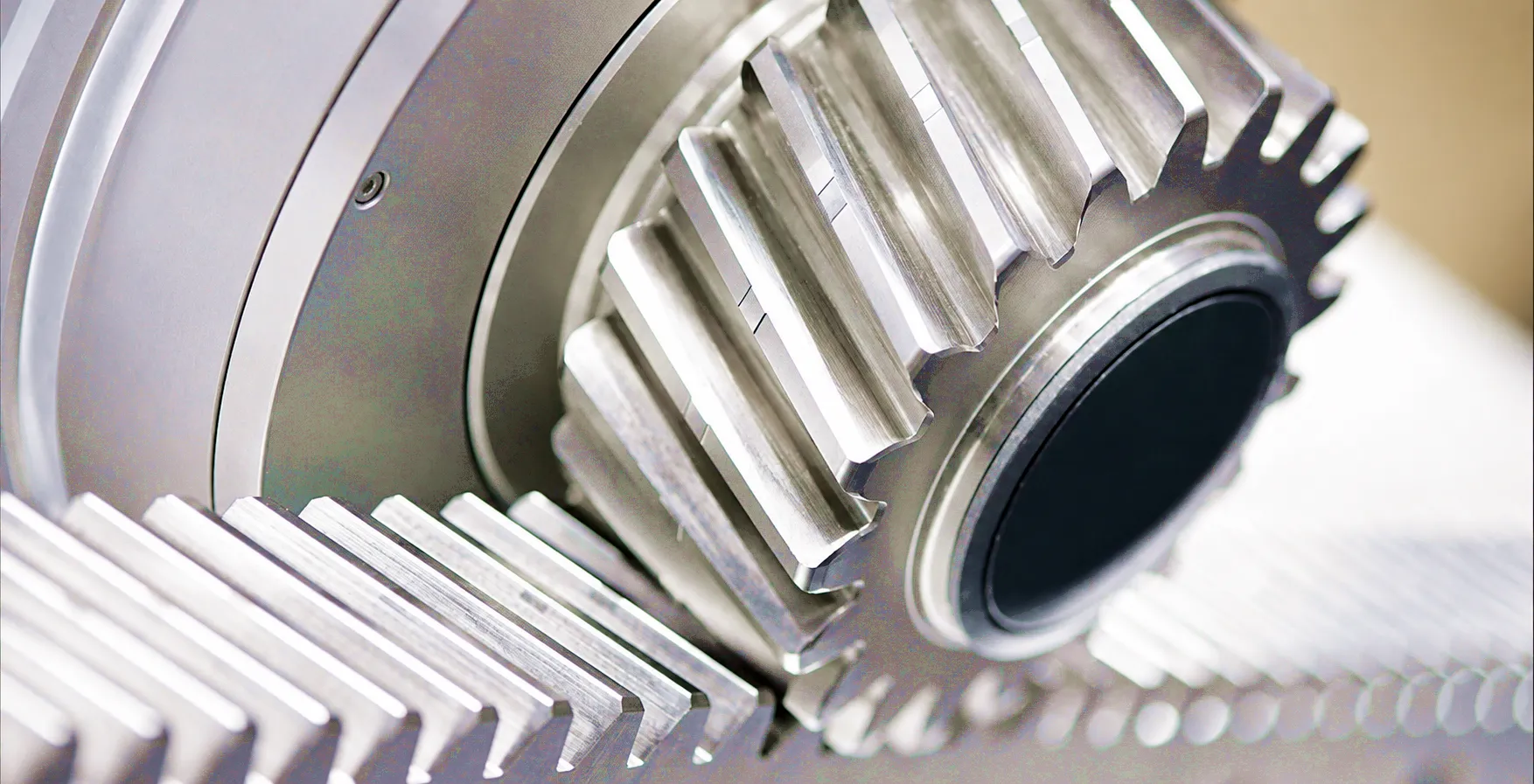
In a helical gear rack, the teeth are cut at an angle to the rack’s longitudinal axis, creating a helix angle that typically ranges from 15° to 30° in industrial applications. This helix angle means that multiple teeth are engaged simultaneously at any given moment, spreading the transmitted load across a greater contact area. The result is noticeably quieter operation, reduced vibration, and higher load capacity compared to a straight-cut spur rack of equivalent module. For high-cycle applications — such as the traverse axes of large gantry machining centres or the positioning systems of automated storage and retrieval systems — a helical gear rack will almost always outperform its spur counterpart in terms of service life and dynamic accuracy. The pitch of the rack, measured either in terms of circular pitch or module, determines the spacing between tooth centres and must be matched precisely to the pinion’s specification to achieve the correct backlash and positional repeatability the application demands. Our precision ground helical rack is engineered to meet these exacting standards across a broad range of industrial applications.
Force transmission efficiency through a gear rack system is typically high — well-designed rack and pinion drives commonly achieve efficiencies of 95% to 98% — making them significantly more efficient than lead screws or chain drives in long-travel linear positioning applications. When paired with modern servo motor drives and precision linear guides, a quality gear rack becomes the backbone of a motion system capable of positioning payloads of several tonnes to within fractions of a millimetre, cycle after cycle, throughout a working life measured in decades rather than years.
📐 Core Materials: What Your Gear Rack Is Made From Matters
Material selection is where the engineering decisions made during gear rack design have the most profound impact on long-term performance. Each material brings a distinct combination of strength, wear resistance, machinability, and corrosion performance that suits it to particular duty cycles and environments.
C45 Carbon Steel
The workhorse of the gear rack industry, C45 medium carbon steel offers an excellent balance of tensile strength (typically 700–800 MPa), machinability, and cost-effectiveness. After induction hardening, the tooth surface can achieve 50–55 HRC, providing good resistance to surface fatigue and pitting. C45 racks are the standard choice for general-purpose machine tools, packaging lines, and conveyor positioning systems where moderate loads and duty cycles apply. The material responds well to surface grinding, enabling tight dimensional tolerances and smooth tooth profiles that minimise dynamic noise.
20CrMnTi Alloy Steel
For applications that demand higher core toughness alongside excellent surface hardness, 20CrMnTi carburising steel is the preferred option. Case-hardened to depths of 0.8–1.5 mm, with surface hardness reaching 58–62 HRC, this alloy steel gear rack handles impact loading and high-cycle fatigue far better than plain carbon steel alternatives. It is widely specified for heavy gantry robots, large-format CNC router tables, and aggressive automated storage systems where the rack is subject to dynamic loads and frequent reversal. The chromium and manganese additions enhance hardenability, while the titanium refines the grain structure for superior fatigue life.
Stainless Steel 304 / 316
Where corrosion resistance is paramount — food processing machinery, pharmaceutical manufacturing equipment, offshore installations, or outdoor handling systems — stainless steel gear racks provide the combination of mechanical capability and chemical resistance the environment demands. Grade 316 is preferred in genuinely corrosive environments due to its molybdenum content, while grade 304 suits lighter-duty washdown applications. These racks carry somewhat lower load ratings than hardened steel alternatives, so specifiers must check that the application’s force requirements fall within the stainless material’s capability envelope before committing to this choice.
Engineering Polymers (PA66 / POM / UHMWPE)
Nylon (PA66), acetal (POM), and ultra-high molecular weight polyethylene offer a useful alternative when the application calls for reduced noise, self-lubrication, or electrical non-conductivity. Plastic gear racks are commonly found in light-duty laboratory automation, medical device positioning systems, and consumer-oriented equipment where steel would introduce unnecessary mass, noise, or contamination risk. While their load capacity is inherently limited compared with metallic alternatives, engineering polymer racks have been steadily improving in formulation and can now handle duty cycles that would have been unthinkable with earlier generations of plastic gear components.
✅ Core Technical Advantages of a Well-Specified Gear Rack
When engineers evaluate drive systems for long-travel linear motion, the gear rack stands out on multiple dimensions. Understanding these advantages precisely — rather than in vague generalities — is what allows specifiers to build the right business case for rack and pinion versus competing technologies such as ball screws, linear motors, or chain drives.
⚡ High Load Capacity Over Long Strokes
Unlike ball screws, which suffer from critical speed limitations and deflection as length increases, gear racks can span many metres without any inherent stiffness penalty. A properly supported rack and pinion drive can transmit continuous tangential forces exceeding 50 kN in heavy industrial configurations, making it the preferred choice for heavy gantry cranes, large-bed waterjet cutting machines, and portal milling centres where travel distances routinely exceed 5 or 10 metres.
🎯 Exceptional Positional Accuracy
Ground gear racks manufactured to DIN 6 or better accuracy standards deliver accumulated pitch errors of less than 0.02 mm over 1000 mm of travel. When combined with a zero backlash rack and anti-backlash pinion pairing, the system can achieve bidirectional positional repeatability that rivals expensive linear motor alternatives at a fraction of the cost per axis-metre, making ground racks a compelling choice for precision machining, measurement, and semiconductor handling applications.
🔄 Unlimited Theoretical Travel Length
Gear racks can be butted end-to-end and fastened to a machine bed using precision-ground mating faces, allowing theoretically unlimited travel lengths to be built from standard stock lengths. This modular approach simplifies logistics — individual rack sections fit into standard shipping containers — and enables on-site extension of existing machines without complete drive system replacement, a significant advantage for UK manufacturers managing capital expenditure budgets carefully.
🔧 Straightforward Installation and Maintenance
A gear rack is a passive component requiring only correct alignment, adequate lubrication, and periodic inspection to deliver decades of reliable service. There are no seals to degrade, no recirculating balls to contaminate, and no cooling circuits to maintain. This simplicity translates directly into lower total cost of ownership — a factor that resonates strongly with plant maintenance teams across the UK’s manufacturing sector, where skilled maintenance technicians are in increasingly short supply and minimising unplanned downtime is a constant operational priority.
⚙️ Wide Range of Customisation Options
Module, tooth profile, helix angle, length, cross-sectional geometry, material grade, surface treatment, and mounting hole pattern can all be tailored to the specific requirements of a machine design. This flexibility means a gear rack can be optimised for the exact combination of speed, force, accuracy, and environmental conditions the application presents, rather than requiring the machine design to be compromised around a standard product’s limitations. Custom gear racks are a standard part of Ever Power’s offering, with typical lead times considerably shorter than many specifiers expect.
📊 Product Technical Performance Parameters
The table below sets out the key technical parameters that define gear rack performance across the range stocked and manufactured by Ever Power. These figures represent the envelope of standard and custom-manufacture capability and should be read in conjunction with the specific application’s load, speed, duty cycle, and environmental requirements before final selection.
| Parameter | Specification / Range | Notes |
|---|---|---|
| Module Range | 1 – 12 | Non-standard modules available on request |
| Pressure Angle | 20° (standard); 14.5° available | 20° is DIN standard for industrial racks |
| Helix Angle (Helical) | 15°, 19.5°, 25° standard; custom | Higher angle = smoother, higher capacity |
| Accuracy Grade (DIN) | DIN 6 to DIN 10; DIN 5 ground | Ground racks for high-precision axes |
| Material Options | C45, 42CrMo4, 20CrMnTi, 304, 316 SS, PA66 | Steel grades per DIN/BS EN standards |
| Surface Hardness | 50–55 HRC (C45); 58–62 HRC (alloy) | Induction hardened, case hardened options |
| Surface Treatment | Black oxide, zinc plating, nickel, none | Stainless naturally passivated |
| Standard Stock Lengths | 500 mm, 1000 mm, 1500 mm, 2000 mm | Custom lengths cut to order |
| Max Tangential Force (M6 C45) | Approx. 18 kN (hardened) | Subject to lubrication and duty cycle |
| Pitch Accuracy (Ground) | +/- 0.005 mm / 100 mm | Cumulative error per DIN 3962 |
| Mounting Style | Drilled & tapped, side bolt, clamp | Custom bolt patterns to order |
🏭 Industrial Application Scenarios Across the UK
The gear rack’s combination of load capacity, travel length, accuracy, and mechanical simplicity makes it relevant across a remarkably wide cross-section of British industry. From the precision machine shops of Coventry to the heavy fabrication halls of Teesside, rack and pinion drives appear wherever controlled linear motion is a process-critical requirement.
CNC Machining Centres — Birmingham and the Midlands
Birmingham has long been the heartland of British precision engineering, home to hundreds of subcontract machining businesses supplying aerospace, automotive, and defence customers. The large-format CNC machining centres that anchor many of these shops rely on gear racks to drive their X and Y axes across table spans that frequently exceed three metres. Induction-hardened helical racks ground to DIN 6 accuracy form the backbone of these systems, providing the combination of stiffness, load capacity, and positioning precision that tight-tolerance aerospace aluminium and titanium components demand.
Steel Fabrication and Plasma Cutting — Sheffield
Sheffield’s steel fabrication sector, though transformed since the industrial peak of the twentieth century, remains a significant employer and export earner. Modern plasma cutting tables and oxy-fuel cutting gantries used in Sheffield’s fabrication shops use heavy-duty gear racks — typically module 5 or 6 in C45 steel — to drive the cutting head at the controlled speeds required for clean kerfs in thick structural plate. The racks in these applications must withstand not only the dynamic drive forces but also thermal cycling from the cutting process and contamination from metal spatter, making surface treatment selection particularly important.
Automated Warehousing and Logistics
The explosion in automated storage and retrieval systems (ASRS) across UK distribution centres has created significant demand for high-quality gear racks in vertical and horizontal travel applications. Stacker cranes serving automated high-bay warehouses near major logistics hubs such as the East Midlands Gateway or Daventry International Rail Freight Terminal rely on rack and pinion drives for their main travel axes, where the combination of long travel distances and precise stopping positions at each rack location rules out alternative drive technologies. The gear rack’s ability to be installed in long runs without performance degradation makes it uniquely suited to these tall, narrow structures.
Robotics and Gantry Automation
Rack and pinion drives are standard specification for the linear axes of Cartesian robots and gantry automation systems, where they compete most directly with linear motors. In the vast majority of applications where travel speed remains below approximately 3 metres per second, the rack delivers equivalent positioning performance to a linear motor at dramatically lower capital cost and without the sensitivity to contamination that limits linear motor deployment in manufacturing environments. UK integrators specifying automation for automotive body-in-white assembly, white goods manufacturing, and general pick-and-place cells consistently choose rack and pinion as the pragmatic, cost-effective default for linear axes up to 10 metres of travel.
Medical and Laboratory Equipment
In medical imaging equipment, automated laboratory analysers, and surgical robot positioning systems, stainless steel and engineering polymer gear racks serve applications where cleanliness, low particle generation, and non-magnetic material properties are design constraints that override purely mechanical considerations. The precision required in these applications — sub-millimetre positioning of sample handling systems and imaging detector arrays — calls for ground stainless racks or high-quality polymer racks paired with anti-backlash mechanisms, representing some of the most technically demanding applications in the gear rack world.
🏭 Ever Power: Precision Manufacturing and Customisation Capability
Ever Power has spent more than two decades building manufacturing capabilities specifically oriented towards the precise, technically demanding requirements of industrial gear rack production. The company’s facility operates a comprehensive range of CNC gear grinding, hobbing, and milling equipment, allowing it to manufacture gear racks across the full spectrum from general-purpose to aerospace-grade accuracy in a single integrated production environment. Quality management is embedded throughout the manufacturing process — in-process gauging, coordinate measuring machine (CMM) inspection of finished racks, and documented traceability for all material certifications ensure that every rack leaving the factory conforms to the agreed specification.
The customisation capability at Ever Power extends well beyond simply cutting a rack to a non-standard length. Engineering customers regularly work with Ever Power’s technical team to develop gear racks with non-standard cross-sections optimised for integration into particular machine designs, unique tooth profiles adapted to match legacy pinion specifications, or combined rack-and-guide structures that integrate the linear bearing function into a single precision-machined component. This depth of engineering engagement, combined with the flexibility of a factory that does not operate on rigid standard-product-only principles, is what distinguishes Ever Power from catalogue-only distributors and enables machine builders across Europe and the UK to achieve design objectives that off-the-shelf products simply cannot satisfy.
Supply chain reliability is an area where Ever Power has invested consistently. Strategic raw material stockholding, in-house heat treatment, and surface finishing operations reduce dependence on subcontractors and give the company direct control over the production schedule from blank to finished product. For UK customers, this translates into realistic delivery commitments that are honoured even under the supply chain disruptions that have characterised global industrial trade since 2020. Shipment to major UK ports including Felixstowe and Southampton is managed through established freight partnerships, with typical transit times of ten to fourteen working days for standard products and pre-advised lead times for custom-specification orders.
Ready to discuss your gear rack requirements with Ever Power’s engineering team?
🇬🇧 Customer Success Story: Sheffield Structural Steel Fabricator
Situation: A mid-sized structural steel fabricator based in Sheffield’s Lower Don Valley, supplying heavy beam and column sections to construction and civil engineering projects across northern England, was operating two plasma cutting gantries that had been in service for over twelve years. The original rack and pinion drives on both machines were exhibiting severe tooth wear and accumulated pitch error that was causing cut-quality problems — wandering kerfs, poor dimensional accuracy on complex shapes, and increasing downtime as the drives were adjusted to compensate for the deterioration. The maintenance team had patched the problem repeatedly, but the racks were beyond viable repair and replacement was unavoidable.
Challenge: The original racks were a non-standard module supplied by a European manufacturer no longer operating in the UK. Finding like-for-like replacements proved impossible through standard distribution channels, and the gantry manufacturer’s spares department quoted lead times of twenty-two weeks and prices that the Sheffield company’s procurement manager described as “completely disconnected from commercial reality.” The business could not sustain twenty-two weeks of degraded production on its two primary cutting machines.
Solution: Ever Power’s technical team was contacted and provided with the original rack drawings and a sample section for dimensional analysis. Within four working days, Ever Power confirmed that the non-standard module could be replicated in C45 induction-hardened steel with a black oxide surface treatment to match the original specification. A re-engineering option using the closest standard module — with corresponding minor modifications to the pinion sets — was also presented as a lower-cost alternative. The Sheffield fabricator chose the direct replacement option to avoid machine downtime during pinion changeover, and Ever Power delivered the complete replacement rack sets for both gantries within six weeks of order confirmation, with full material certification and DIN accuracy documentation.
Result: Both gantry plasma cutters were returned to full specification operation, with cut quality immediately restored to the dimensional tolerances the company’s construction clients specify in their contracts. The maintenance manager noted that the new gear racks showed noticeably better surface finish than the worn originals, resulting in quieter drive operation and reduced vibration that the cutting head electronics — which include height control sensors — responded to positively. Eighteen months after installation, neither rack has required anything beyond routine lubrication maintenance, and the fabrication manager has placed a follow-on order for replacement racks for a third, smaller machine on the Sheffield site.
💬 What Our UK Customers Say
★★★★★
“We’ve tried sourcing replacement racks from several suppliers over the years, and Ever Power is genuinely in a different league for custom specifications. The DIN documentation they supply with every batch makes our quality records easy to maintain and our auditors happy. The rack surface finish quality on the induction-hardened sets we received was outstanding — our machine tool fitter remarked immediately on how smooth the tooth profile was compared to what we’d been running.”
— David H., Engineering Manager, CNC Subcontract Machining, West Midlands
★★★★★
“We integrated Ever Power’s helical gear rack sets into three new gantry robot axes for an automotive press shop project in Sunderland. The accuracy specification was tight — the system integrator was insisting on DIN 7 minimum — and the racks arrived with individual pitch error charts showing they were comfortably within DIN 6. The installation went smoothly, the servo tuning was straightforward, and the system has been running three shifts without a positioning fault since commissioning. We’ll be using Ever Power again on the next phase of the project.”
— Mark T., Project Engineer, Industrial Automation Integrator, Northeast England
★★★★★
“Price, delivery, and technical support are the three things that matter to us when we’re selecting a gear rack supplier for a machine build. Ever Power scored well on all three. The quotation came back with full technical detail rather than just a price number, the delivery hit the date they committed to, and when we had a question about the correct lubrication specification for our application environment, their technical team replied with a detailed answer within hours, not days. That kind of responsive support is genuinely rare at this price point.”
— Sarah M., Procurement Specialist, Specialist Machinery Manufacturer, Leeds
❓ Frequently Asked Questions About Gear Racks
How much does a custom-specification gear rack typically cost when ordering from a UK-approved supplier?
Custom gear rack pricing depends on module, material, accuracy grade, surface treatment, and order quantity. Standard C45 racks in common modules typically run from £15 to £80 per metre for moderate quantities, while ground alloy steel racks in high-accuracy grades command premium pricing. Ever Power provides itemised quotations that allow buyers to understand cost drivers and explore trade-offs. Contact sales@farm-equipment-parts.com with your specification for a detailed price breakdown.
What is the best type of gear rack to use for a CNC router table in a Birmingham workshop environment?
For a typical CNC router in a workshop environment, an induction-hardened helical gear rack in module 2 or 3, manufactured from C45 steel with a black oxide surface treatment, provides the optimum balance of positional accuracy, load capacity, and cost. If the router handles aluminium or is expected to achieve sub-0.1 mm positional accuracy at high feed rates, stepping up to a ground helical rack in DIN 6 accuracy is well worth the additional investment for the improvement in finished part quality it delivers.
Where can I find a reliable gear rack supplier who can deliver to Sheffield within two weeks for an urgent machine repair?
Ever Power maintains stock of common gear rack specifications and can typically process urgent orders for standard products within two to four weeks, including delivery to Sheffield and other UK locations via established freight partners. For genuinely urgent requirements — machine-down situations — contact the sales team directly at sales@farm-equipment-parts.com with the full specification, and the team will assess what can be expedited from current production stock.
Which gear rack material should I specify for a food processing machine that will be regularly washed down with caustic cleaning agents?
Grade 316 stainless steel is the correct choice for food processing environments subject to caustic cleaning and washdown. Its molybdenum content provides markedly better resistance to chloride-induced pitting corrosion than grade 304, which is important if cleaning agents contain chlorine-based compounds. While stainless racks carry lower load ratings than hardened carbon steel alternatives, the combination of corrosion resistance and compliance with food-grade material standards makes this the industry standard choice for food and pharmaceutical applications across the UK.
How do I get an accurate quote for a gear rack with non-standard dimensions from an international supplier that ships to the UK?
Submit a detailed enquiry including: rack cross-section dimensions, module or diametral pitch, tooth profile (spur or helical, helix angle if applicable), required length, material grade, surface hardness requirement, accuracy grade, surface treatment, and quantity needed. If original drawings are available, include them as PDF attachments. Ever Power’s technical sales team reviews enquiries promptly and will raise any clarification questions within one business day. Email sales@farm-equipment-parts.com with the full specification package for the fastest response.
When should a UK engineer choose a helical gear rack over a straight spur rack for a new machine build?
Choose a helical gear rack when noise is a concern (open-plan or near-office production environments), when the application requires higher load capacity from a given module, when dynamic smoothness at moderate to high speeds is important (above approximately 1 m/s traverse speed), or when longer service life in high-cycle applications is a design objective. Spur racks remain the more economical choice for slower, lower-cycle, or lower-load applications where the performance advantages of the helical geometry are not worth the modest additional cost premium.
What ongoing maintenance does a gear rack and pinion drive system in a heavy manufacturing plant in the UK actually need?
Correct lubrication is the single most important maintenance requirement — automatic lubricators applying suitable EP (extreme pressure) grease to the rack teeth at intervals matched to the duty cycle will extend rack life dramatically compared to infrequent manual greasing. Beyond lubrication, periodic inspection for tooth wear, backlash measurement against the original specification, and checking of the rack mounting fastener torques are the main scheduled tasks. In clean, well-lubricated applications, a quality gear rack should require no significant intervention for five to ten years of continuous service.
Who is the most responsive gear rack supplier for custom orders going to logistics and warehouse automation projects across the UK?
Ever Power is specifically set up to support machine builders and system integrators working on time-sensitive automation projects. The company’s vertical integration — encompassing raw material stockholding, heat treatment, machining, grinding, and surface finishing — means that custom-specification gear racks can be manufactured and delivered within commercially realistic timescales, without the extended lead times that arise when multiple subcontractors are involved. UK logistics automation projects have strict commissioning deadlines, and Ever Power’s project management approach is designed around meeting them. Reach the team at sales@farm-equipment-parts.com to open a project file.
edit by gzl